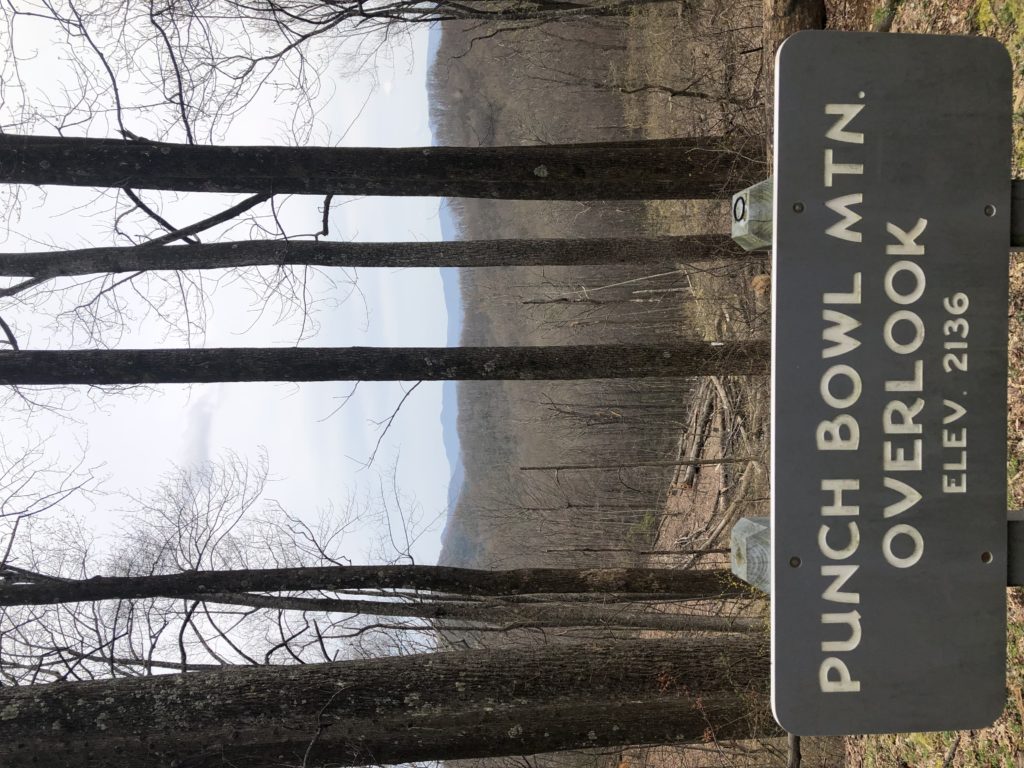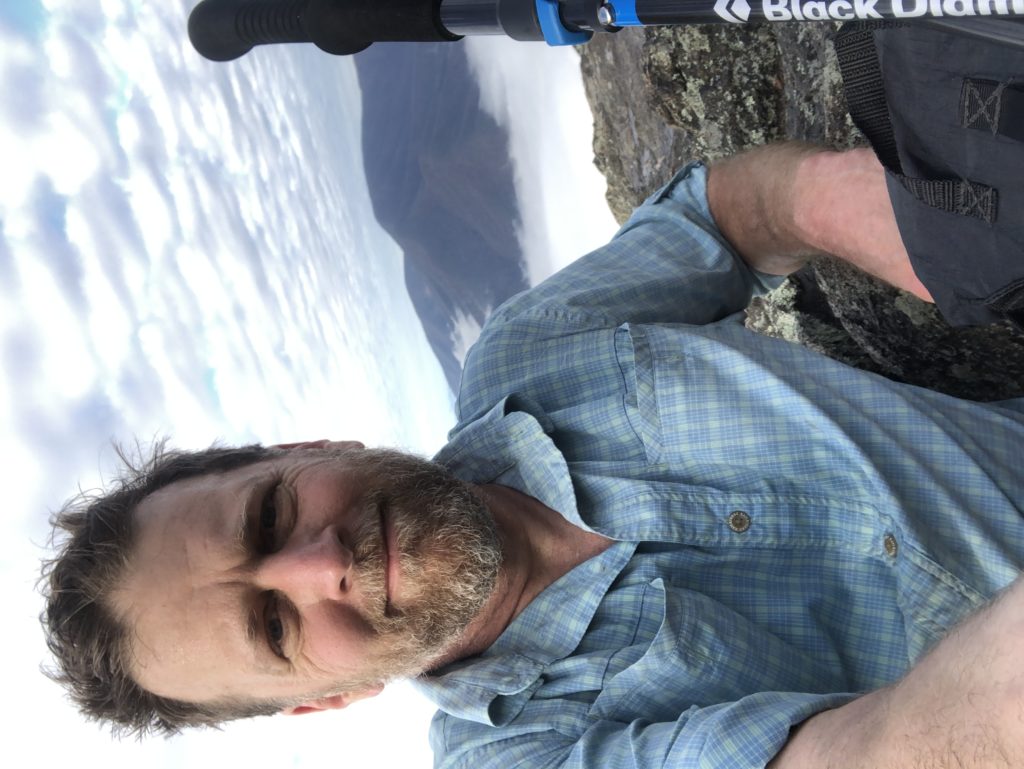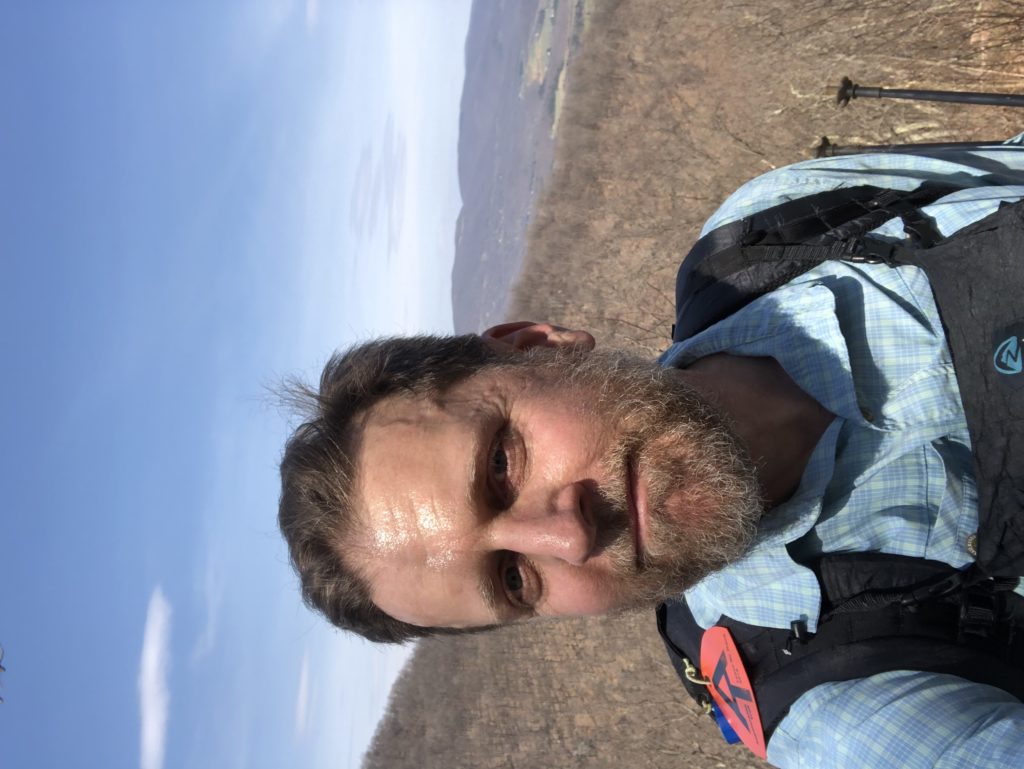
Cow Camp Gap Shelter to Punchbowl Shelter, 15.1 mi (AT 1394.8)

April 8th, 2019, Virginia

As of this morning I know the answer to an important question about myself.

And the answer is: 3 times

The first time might be a one-off. Go back to sleep. 

The second time and I am probably done sleeping for the night, but will keep trying. 

The third time a mouse touches me or climbs on my sleeping gear is the point at which I’m packing up, regardless of time, and hiking by headlamp to somewhere else.

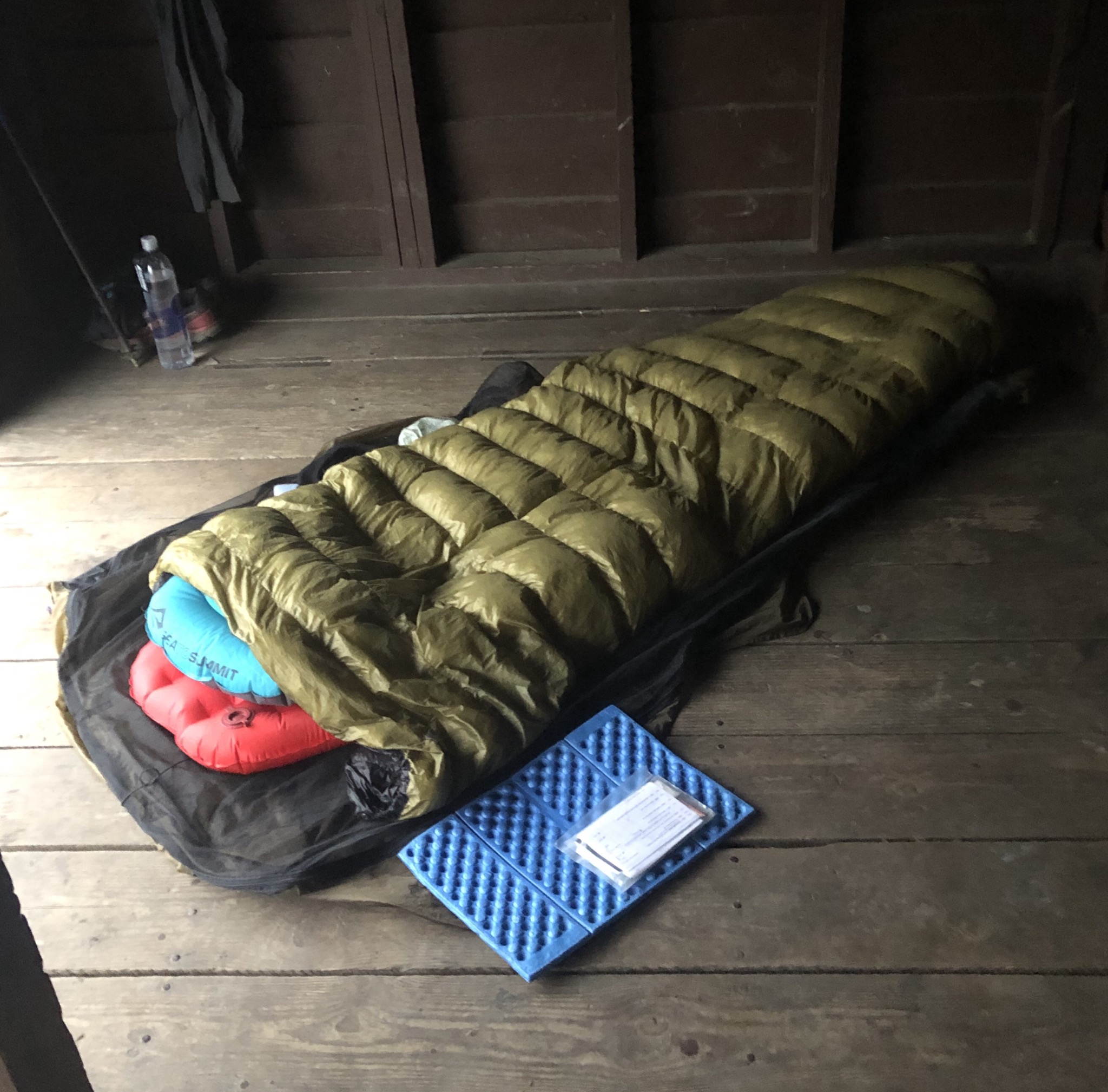
I will now call these shelter creatures “mini-bears” because, unlike actual black bears, they don’t seem afraid of you. And for the shelter user, they are perhaps the thing most likely to harass you, chew through your food bag, ruin your food, or ruin your night’s sleep on the trail. It’s a mini-bear menace and its coming to a shelter near you…which makes the idea of hiking with a cat all the more appealing. Or carrying a few mouse traps, maybe…

So tonight I’m trying a different approach: turning around so my feet are near the wall and my head is closer to the opening. Some are of the opinion that, since the nice prefer to run along the walls, this helps prevent them running by your head. I will let you know tomorrow how it goes. But I must say last night was the exception for me. Only one other time has a mouse annoyed me during the night, and it was just one incident that night, not three.

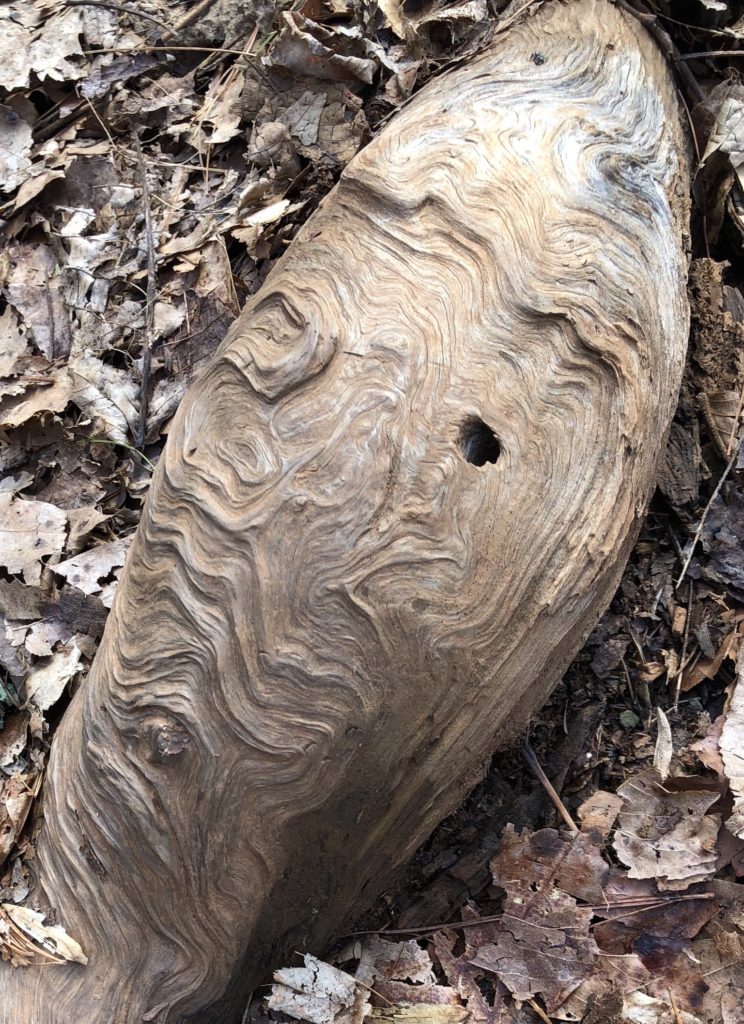
So as I walked along today I continued to notice some signs of “actual” bear activity, not just mini-bear activity. I suppose this is the time of year when they are ending their winter rest and beginning to forage again. For the past couple days I’ve seen bear poop on the trail. And today I saw an old fallen tree recently ripped to shreds, seemingly by a bear eating termites.

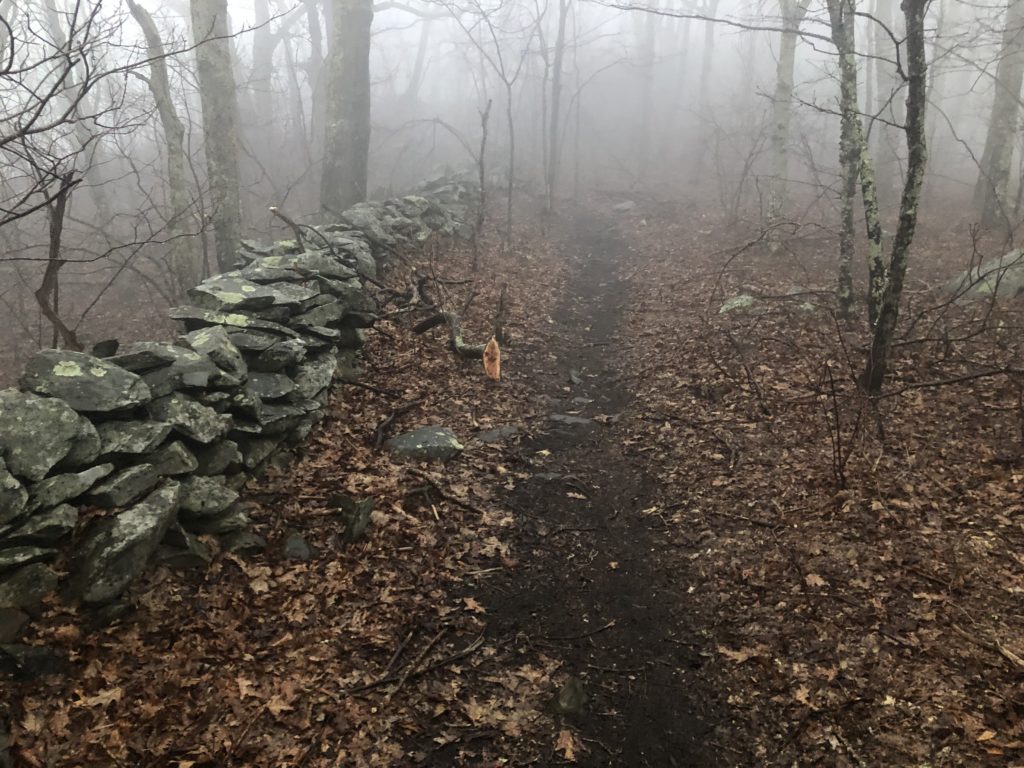
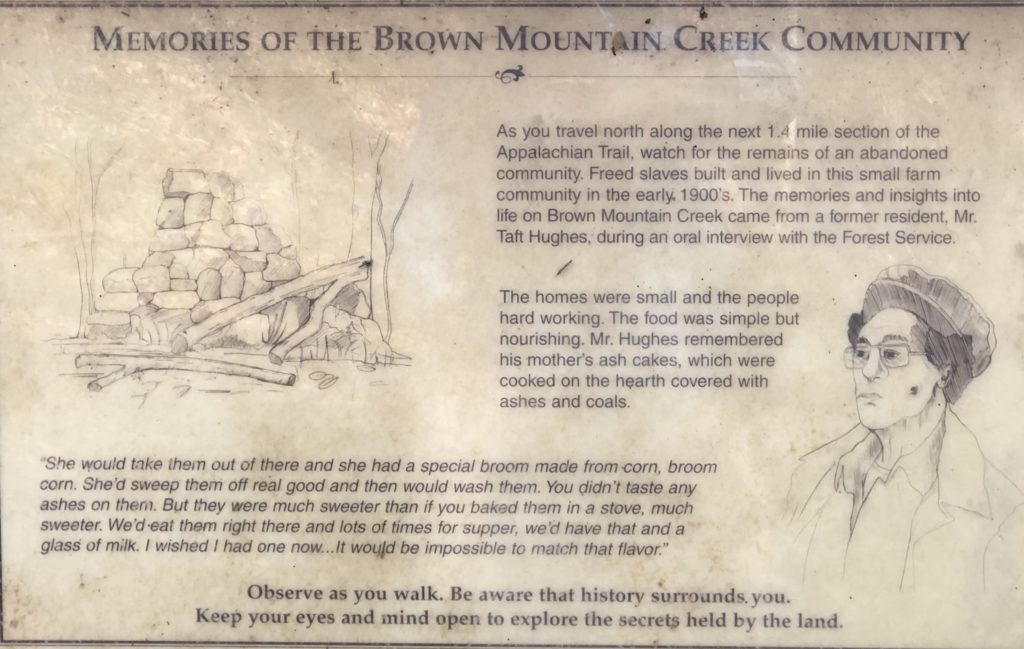
Later the trail passed for a couple miles along a scenic creek with the remnants of old walls and structures.
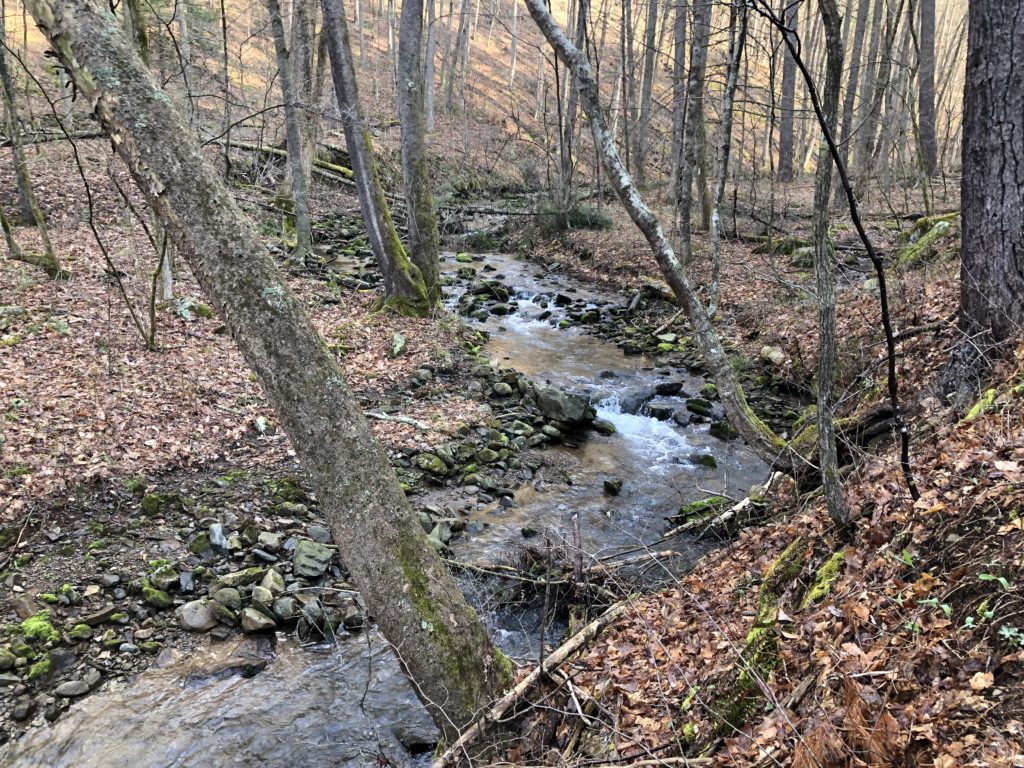
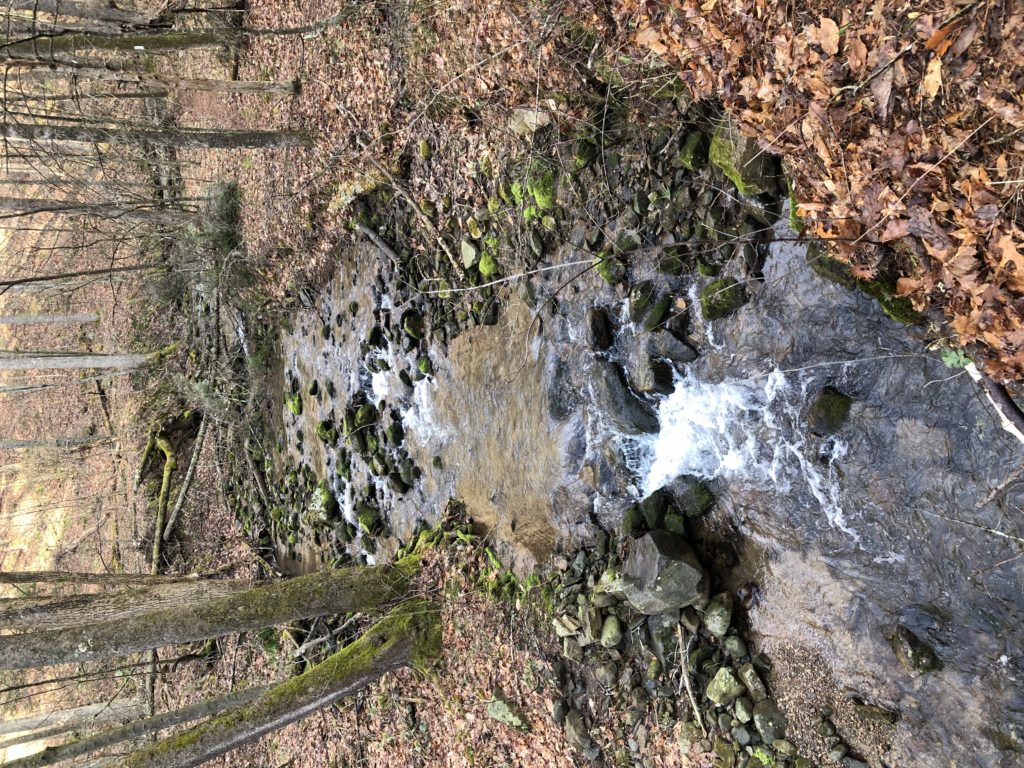
A US Forest Service sign explained this area was a sharecropper community of former slaves that was disbanded in 1920 when the Forest Service bought the land. The sharecroppers grew corn. They paid the landlord 1/4 of their crop for the use of the land. If the landlord furnished a team of horses or mules the tenant paid half of the crop. And the local mill took 1/8th of the crop to mill the corn. It was nice to have the historical information on the trail. Many times we can only guess at the history of the places we pass on our journey.
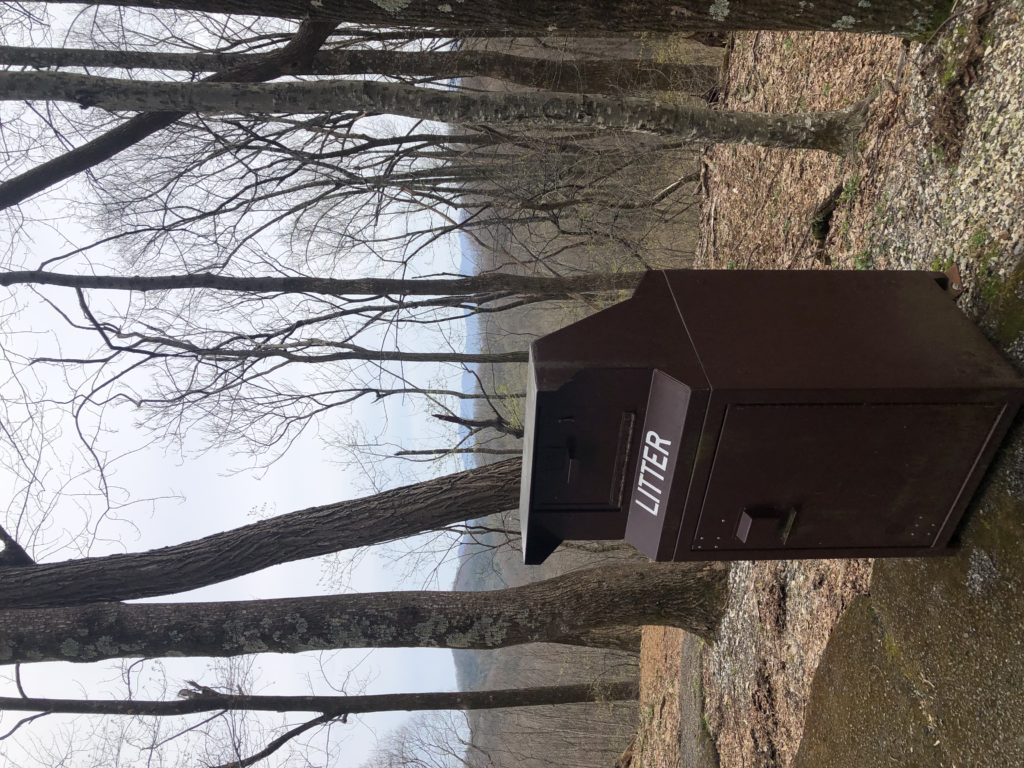
Most of today’s hike was easy going—following creeks and lower lying areas. The last few miles were uphill but not bad after a relatively restful earlier terrain. And there was even a trash can along the trail, which almost never happens. Usually you carry all your trash until you reach the next town. So that was a nice surprise.

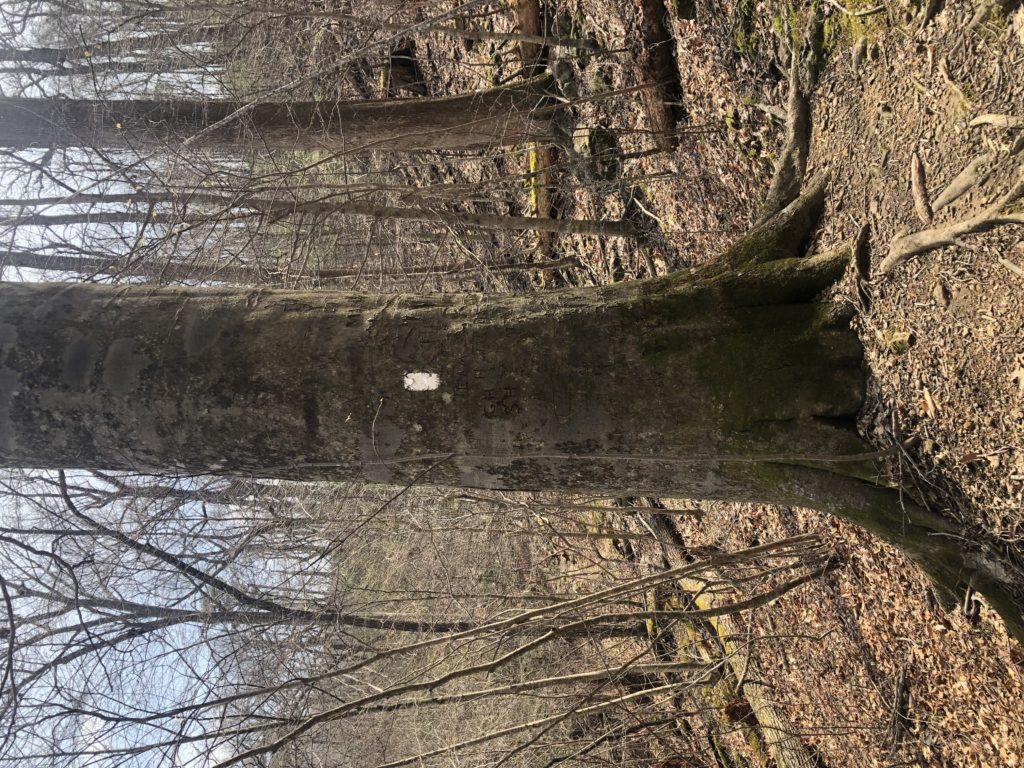
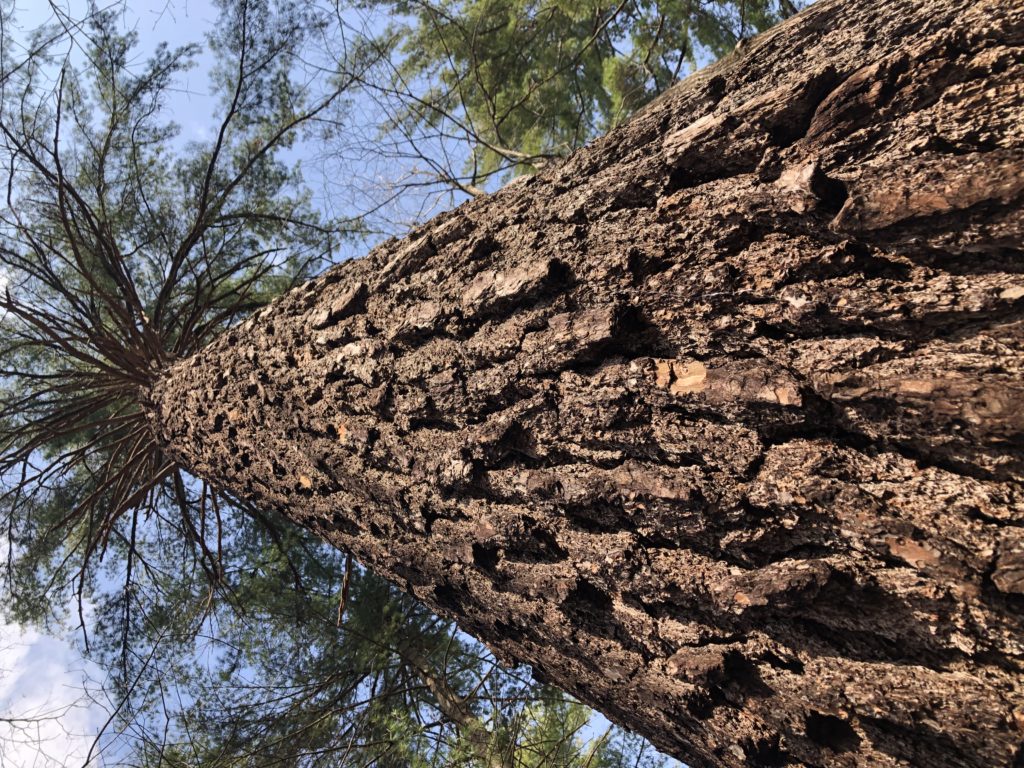
And today I passed quite a few old growth trees—some majestic pines and the largest ash tree (I think it was ash) I’ve ever seen. It would take 2-3 people to get their arms around it. Because it was right on the trail, and so big, its trunk was scarred up with initials, names, and graffiti.
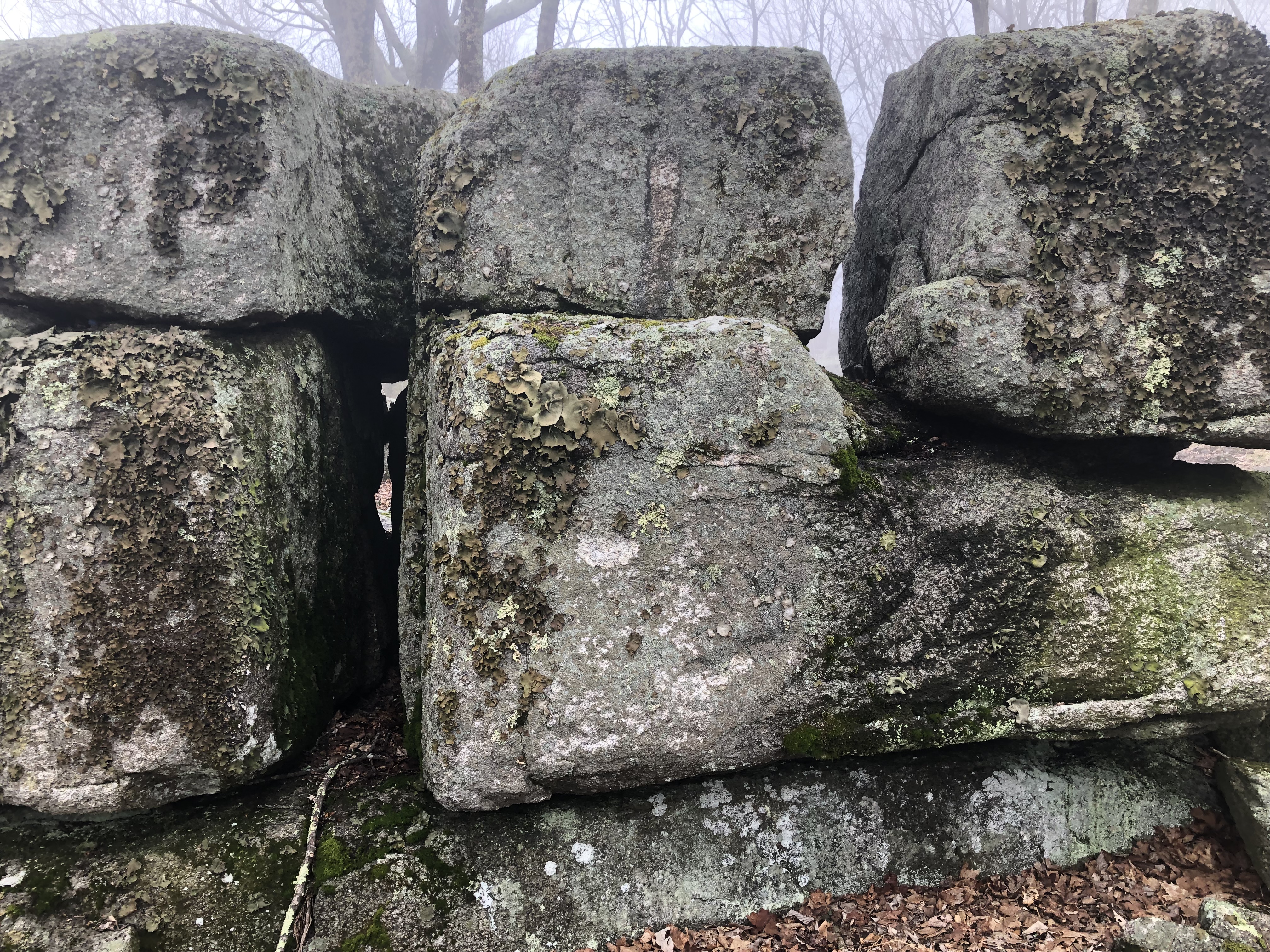
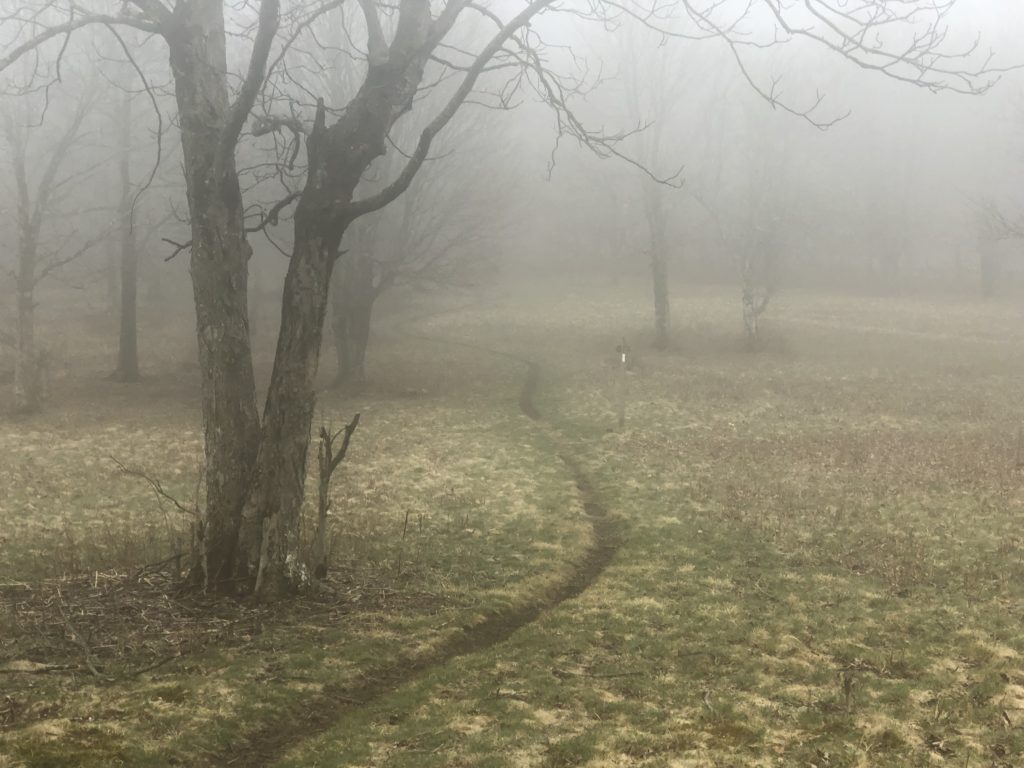
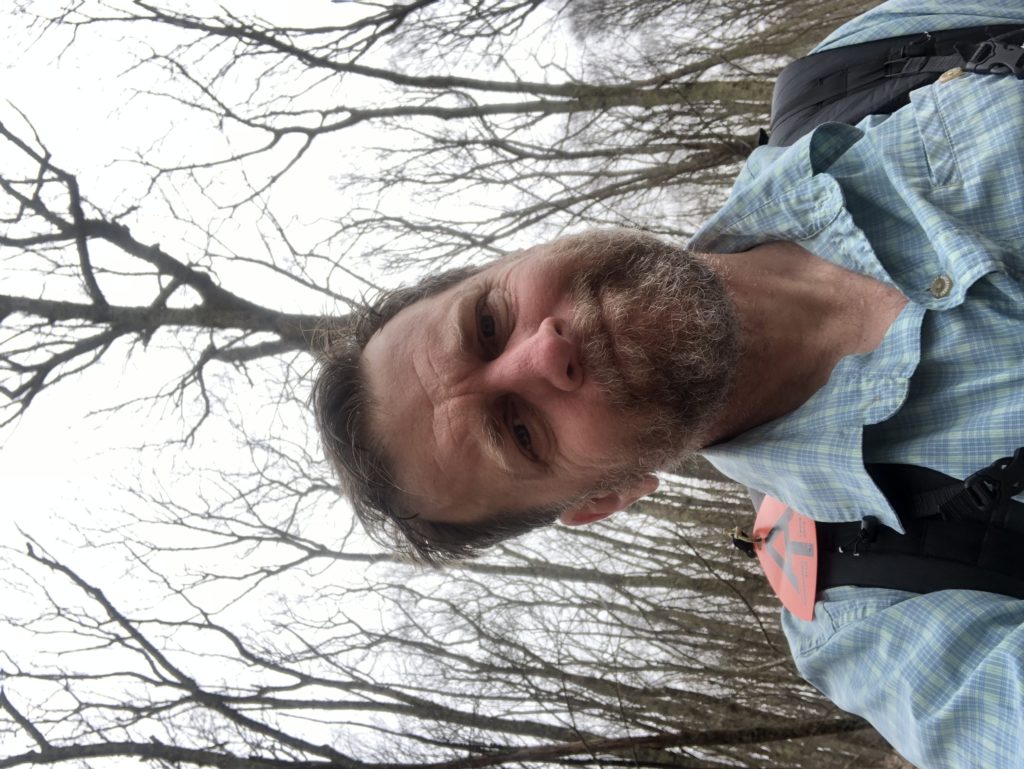
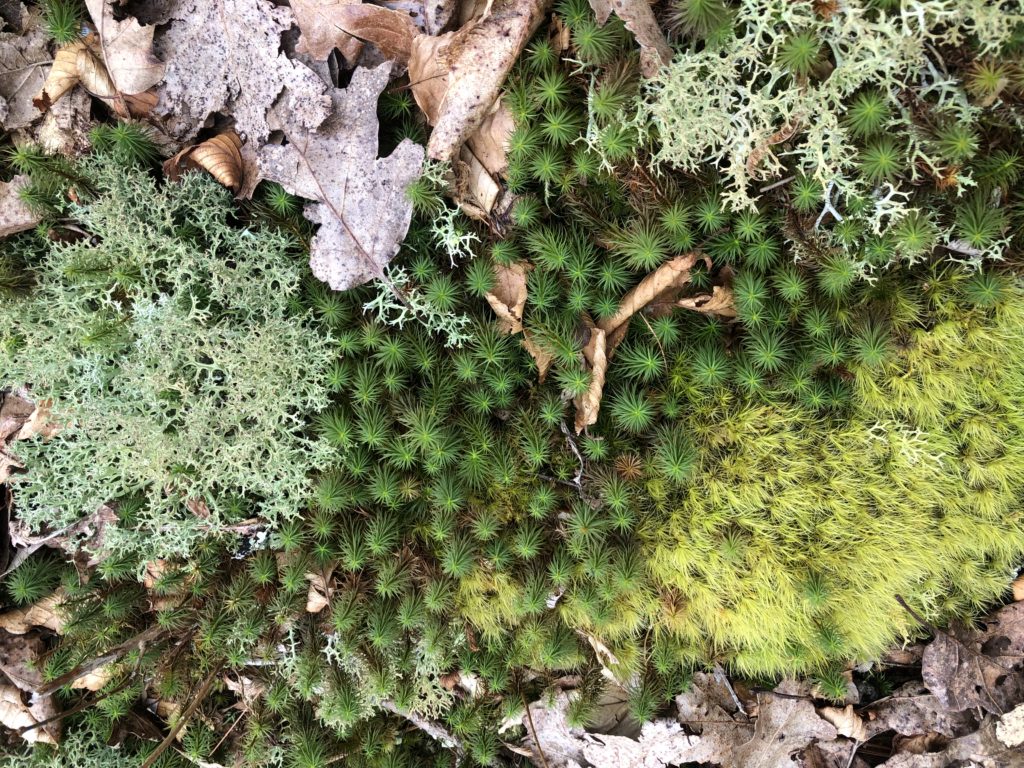
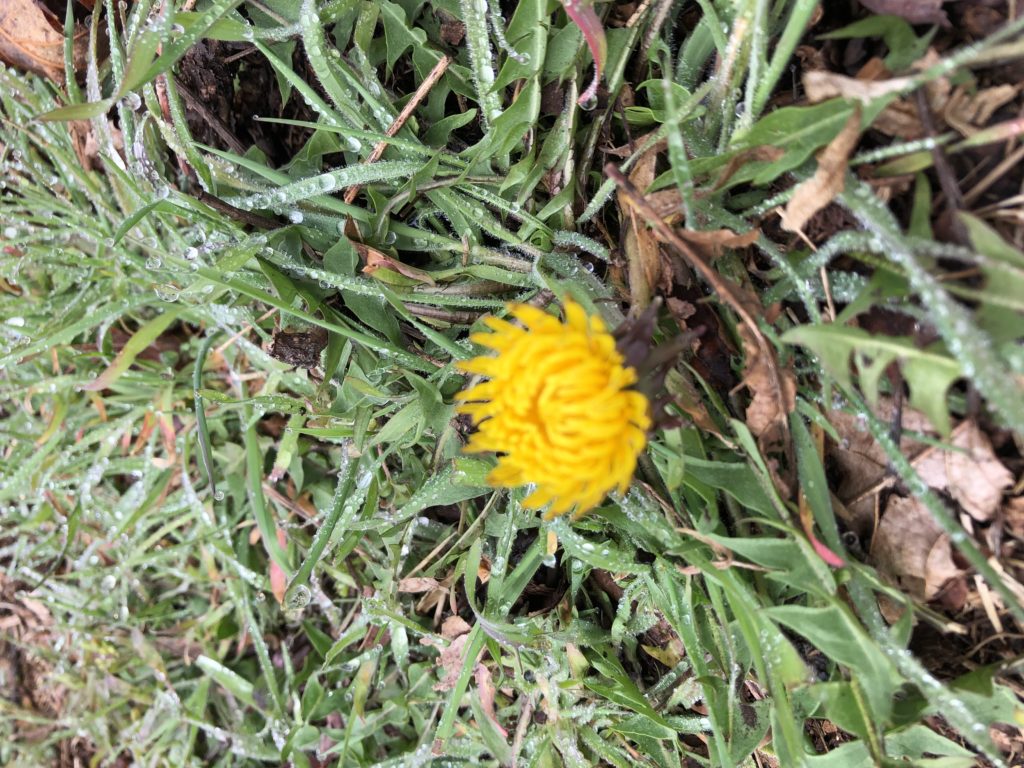
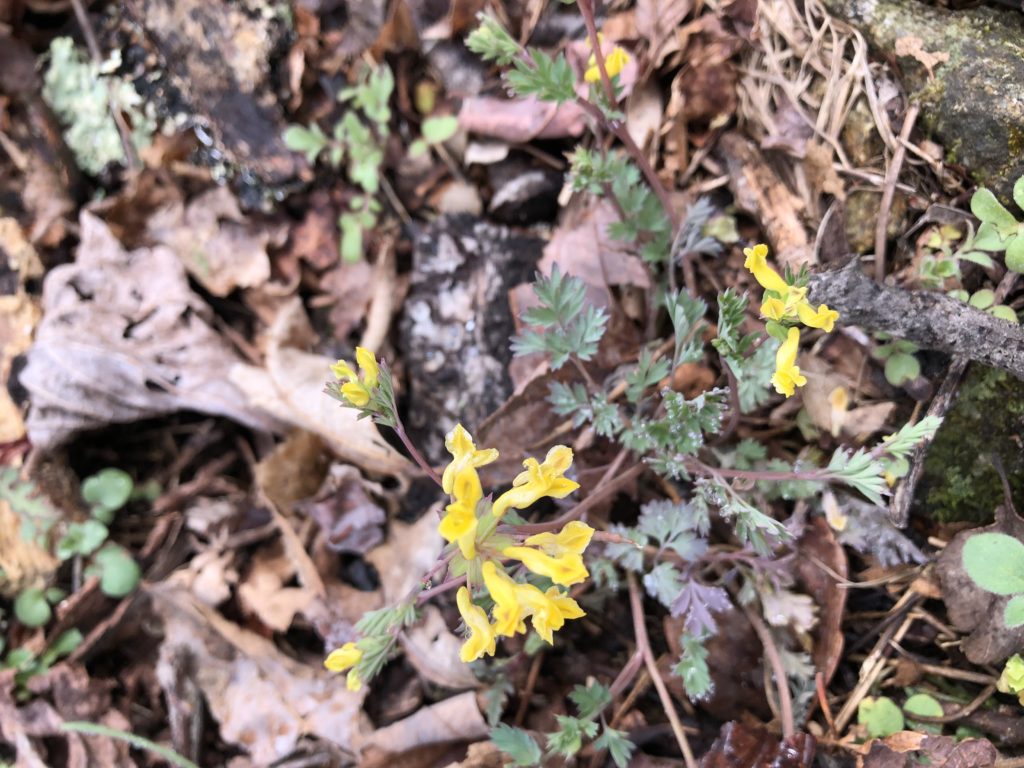
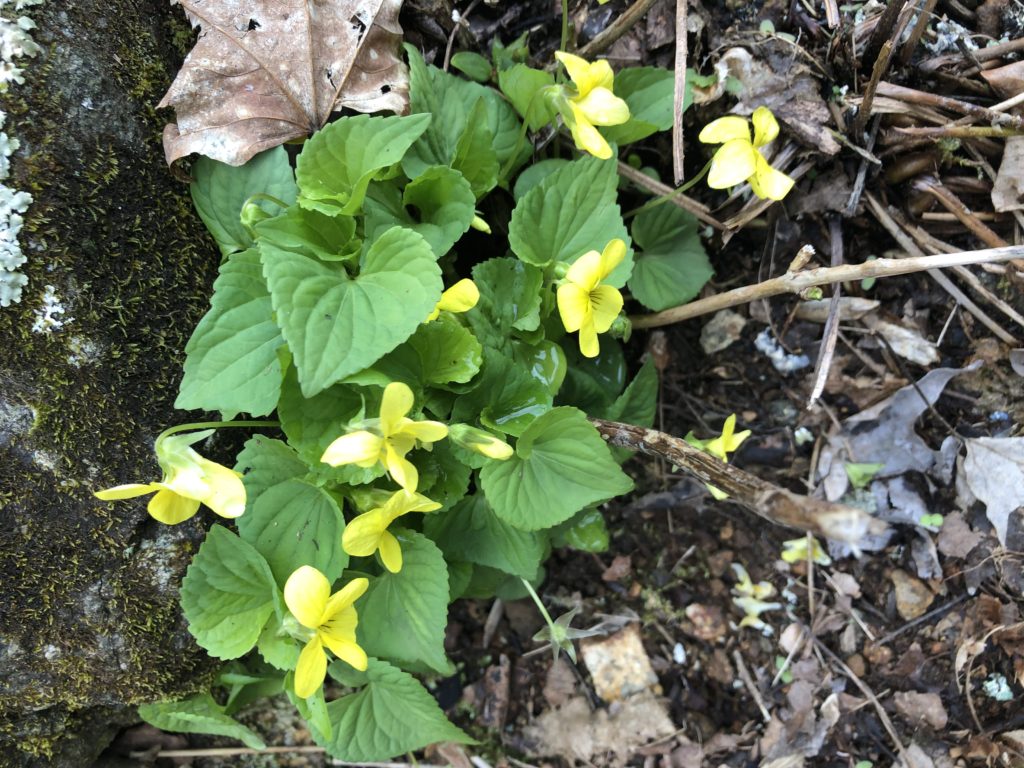
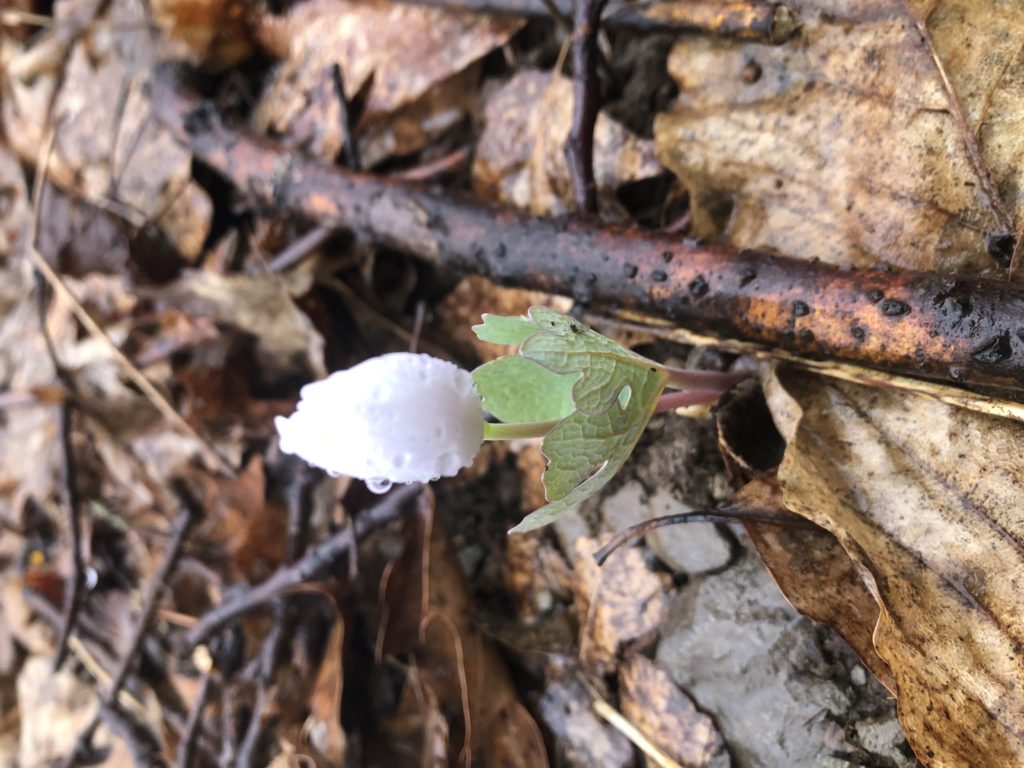
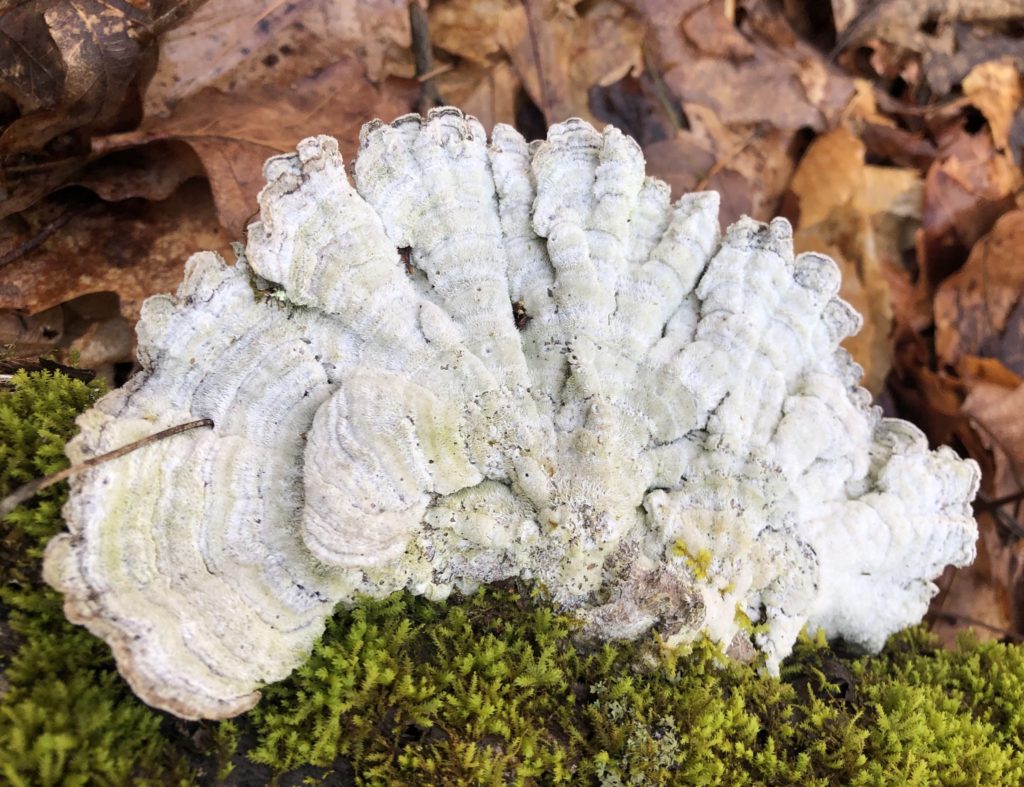
And here are some of the other interesting things I noticed on my hike today.
Priest Shelter to Cow Camp Gap Shelter, 16.8 mi (AT 1379.7)

April 7th, 2019, Virginia

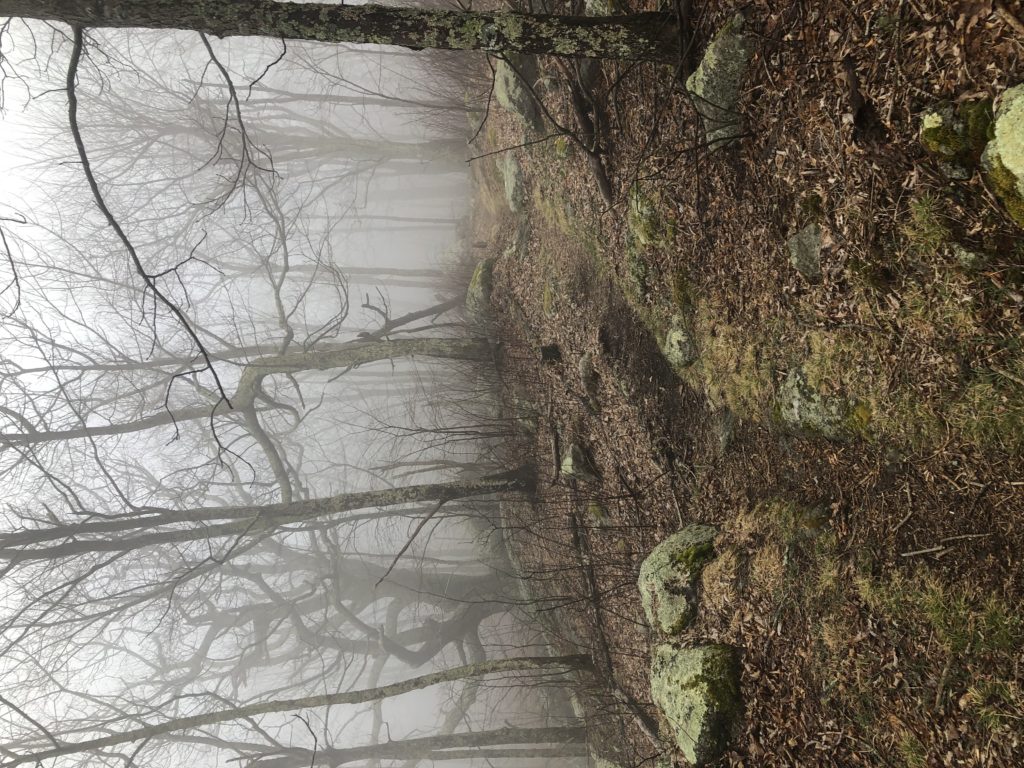
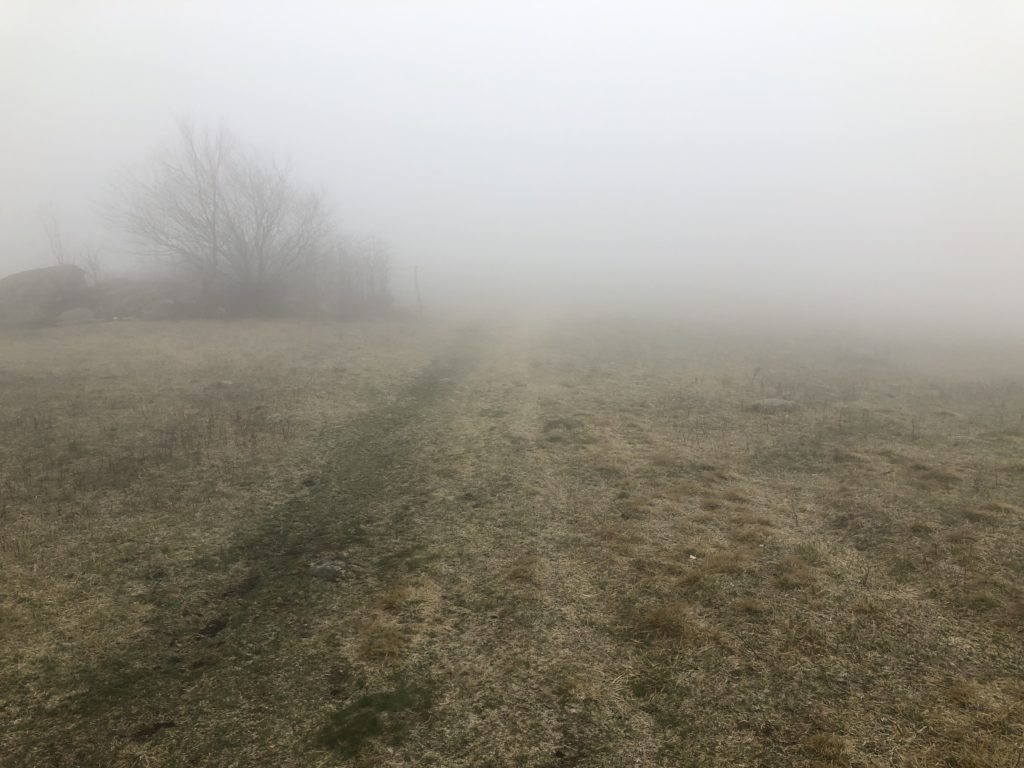
It was another cool, foggy, windy day—beautiful in its own way. 

I passed many interesting sounding points today but saw very little: Cash Hollow, Spy Rock, Salt Log Gap, Tar Jacket Ridge, and Cole Mountain Bald. 

Cole Mountain Bald

At one point I stopped to get a drink of water and, after a few seconds, heard a loud flapping nearby. A very large bird took flight. It looked like a turkey and worked hard to get just above the trees and away from me. 

I passed a tall hiker mid morning and we stopped for a minute to chat. He was the first NOBO thru hiker I have seen since I restarted. His trail name was Flash and he said he started his hike on Feb 25th. 

The hike today was a series of small ups and downs that stayed between 3000-4000 ft. No major climbs or descents which was a nice break after Priest Mountain yesterday. I had time so I stopped at Seely-Woolworth Shelter for a hot lunch.

Table for one, please

I was the only one around. It occurred to me that, at some point, I will intersect for some time with the NOBO “herd” as it is sometimes called. The solitude will be broken but I kind of look forward to that at this point.

In the afternoon I passed three more NOBO hikers but didn’t get to talk. Then I was alone again for the rest of the afternoon and merrily cruising along on autopilot, until I realized I had passed up a water source I planned to use.

When you just realize what you’ve done…

These things happen and force you into a decision: backtrack or push forward and run out of water before you should. It was about a quarter mile back to the spring, which may as well have been five miles because I wasn’t turning around if at all possible. The next water was more than 5 miles ahead but was another 0.3 miles (0.6 round trip) off trail. Another side trip to avoid at all costs. Luckily the terrain was easy and the day was cool, overcast, and windy. I decided to skip the next one and push on the shelter another 8+ miles or so from where I was. I had a lot of water at lunch and then tanked up again at the next water source after lunch, so I was thankfully well hydrated. At this point I had about 1/8th liter of water which needed to last about 3+ hours. Normally that amount would be gone within 1/2 hour. 

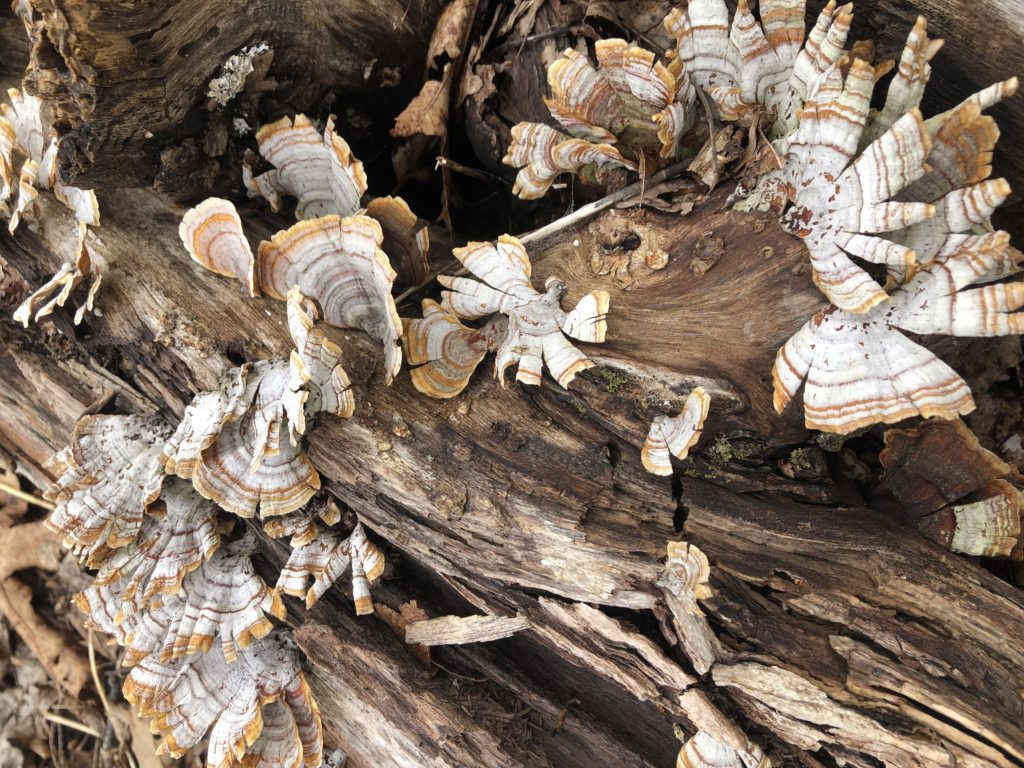
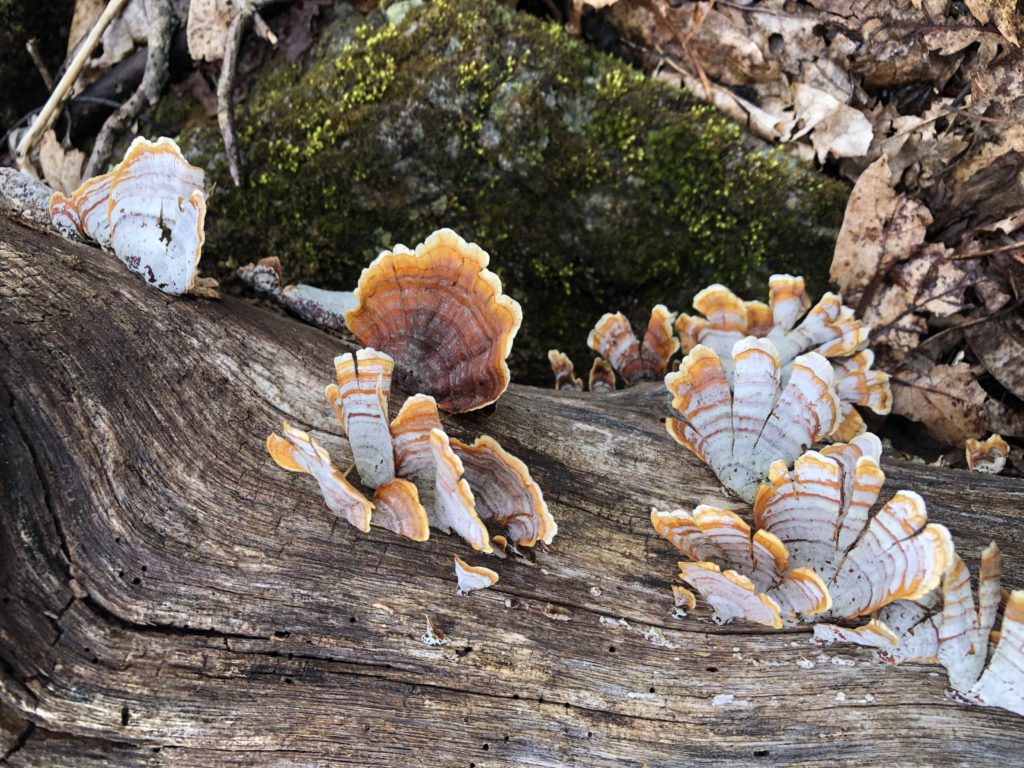
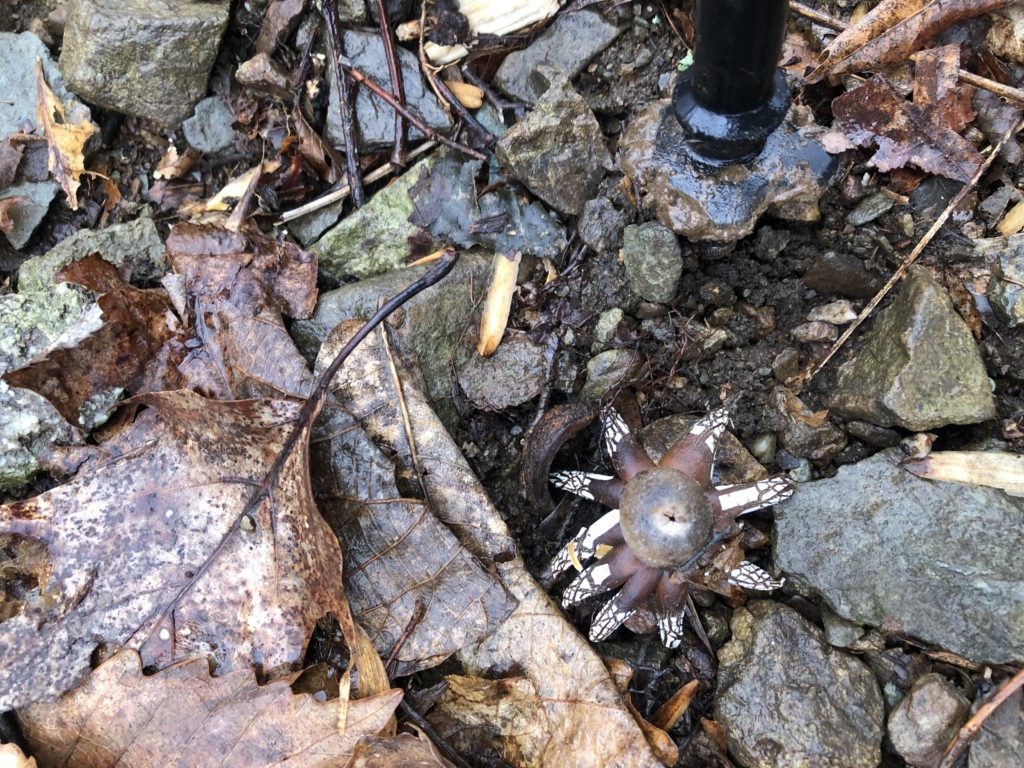
Even thirsty I am a sucker for a beautiful fungus and, apparently, will stop for pictures.

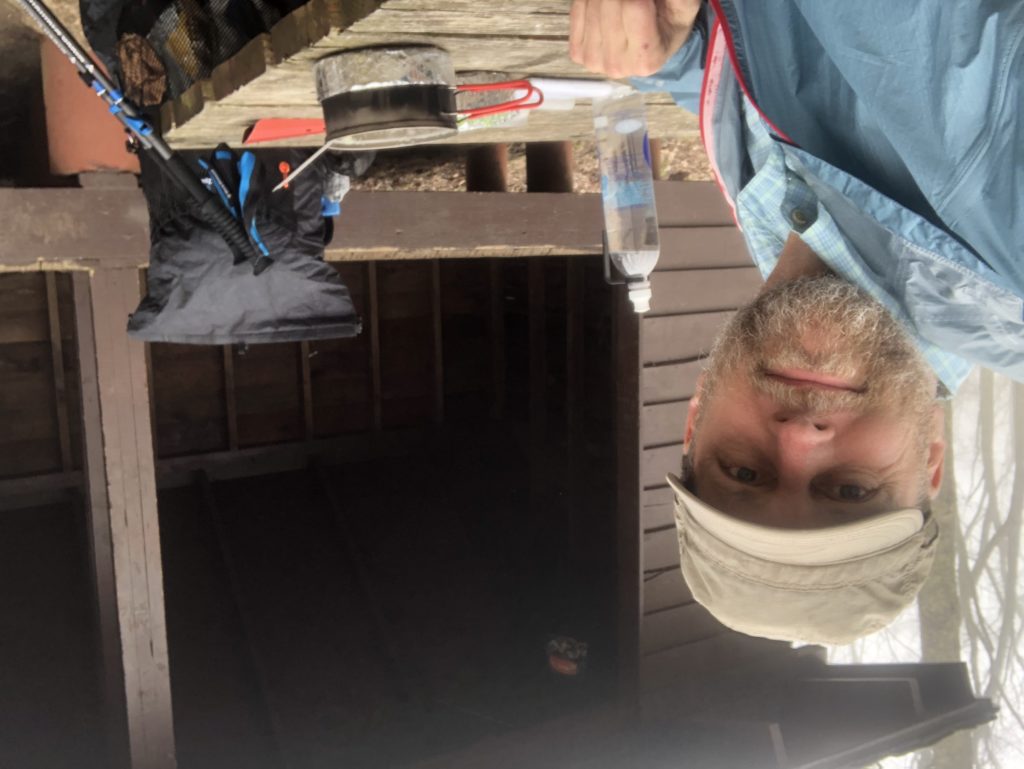
But I made it to the shelter in good shape and thankful for the cool weather. After getting a big load of water I made dinner and bedded down for what would turn out to be an evening of entertainment by the resident mice. But at this point I was blissfully unaware of what the next few hours held in store. .

And here are some of the other interesting things I saw along the way today. 

Maupin Field Shelter to The Priest Shelter, 13.8 mi (AT 1362.9)

April 6th, 2019, Virginia

With my too-early arrival to camp yesterday, I took a little more time packing up and having breakfast this morning. I should be able to take a slower pace all day so I finish later in the day, rather than mid day like yesterday. 

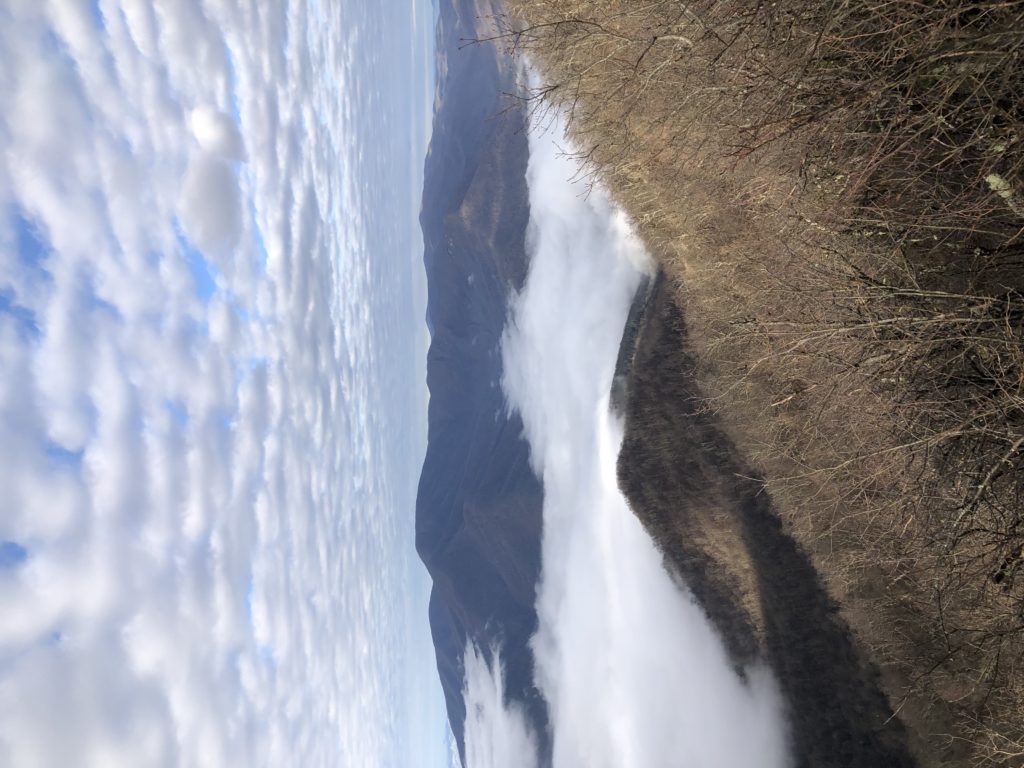
It was a cool and beautiful morning with blankets of fog in the valleys below. 

I stopped by Harper’s Creek Shelter to check it out and have a rest. There were a bunch of tents set up together like a scout troop, but they must have been out on a day hike. A beautiful creek with a series of falls ran just in front of the shelter. I decided to go ahead and get out the cook set and make lunch. I usually only eat hot food at breakfast and dinner but the site was peaceful and comfortable—and I wasn’t in a big hurry. 

Probably because it was Saturday, and also because of the better weather, I ran into more people today. There were also a number of road crossings with parking areas for the trail. A few people said they were from Charlottesville which is just a short drive away. After lunch I crossed a road with about 20 cars parked at the trailhead across the street. I noticed a small black dog up by the cars. He had shaggy hair and almost looked like a tiny bear. I didn’t see people nearby and he didn’t seem to be wearing a collar. I walked down the row of cars and two people were getting out of a car. I asked but he wasn’t theirs. By this time he was down beside the road so I went back the way I came to get closer. As I reached the road he was already across. I could see him better and he looked pretty dirty. I called him but he got scared and ran away. There were a couple houses nearby so I hoped he belonged to one of them. 

Just after the road I entered The Priest Wilderness Area. The Priest Mountain, just ahead, had been a presence on the horizon all morning, and is a 3100 foot ascent from the Tye River Bridge below it. I took several breaks on the way up all the while wondering how long it would take to get back in good shape for the rest of the trail. 
I arrived to the Priest Shelter around 5pm which was just what I was hoping for—just enough time to set up, get water, cook dinner, and get settled before dark. With 43 more miles to Glasgow, Virginia, I hope to reach there in three days—or at least before my food runs low. Glasgow is the first town fairly close to the trail. There is a good hostel there. And the town provides free camping to hikers, including laundry and shower facilities. I do want to stay the night in Glasgow but haven’t settled on where to stay. 

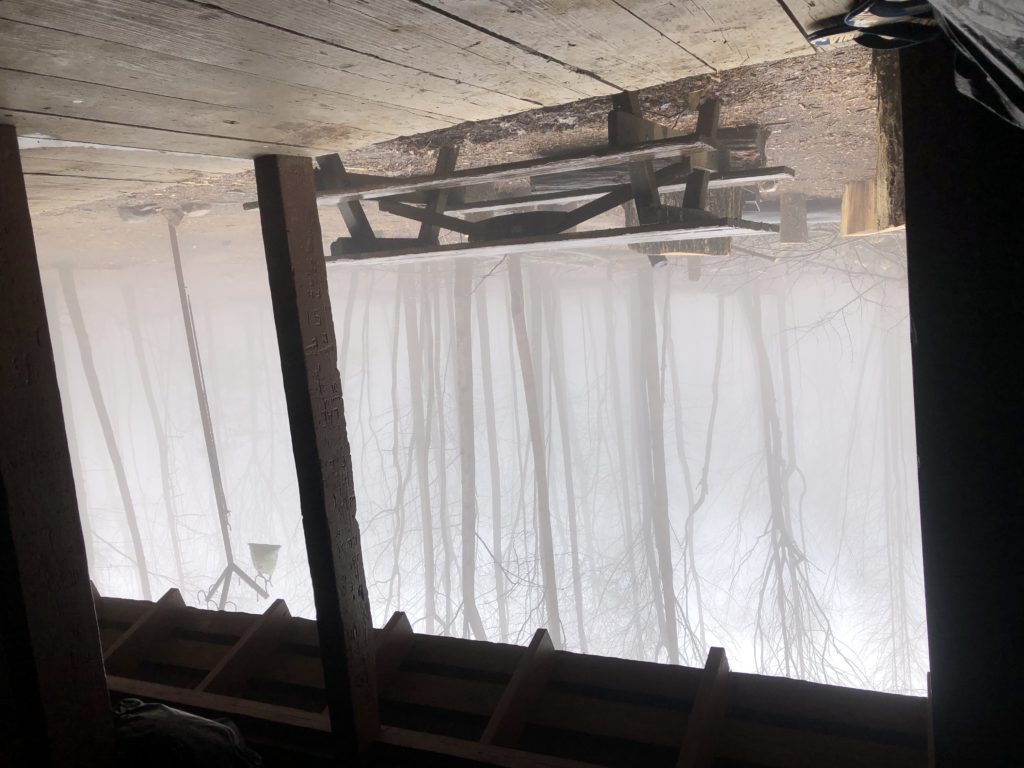
Priest Shelter looks pretty much like the others…

Even though Priest Shelter looked unassuming I wasn’t taking any chances. After dinner I took up the log book and made my confession. This, I understand, is something of a tongue in cheek tradition with long distance hikers. Make your confession to The Priest. Unfortunately the logbook is newish so was mostly empty at this point.

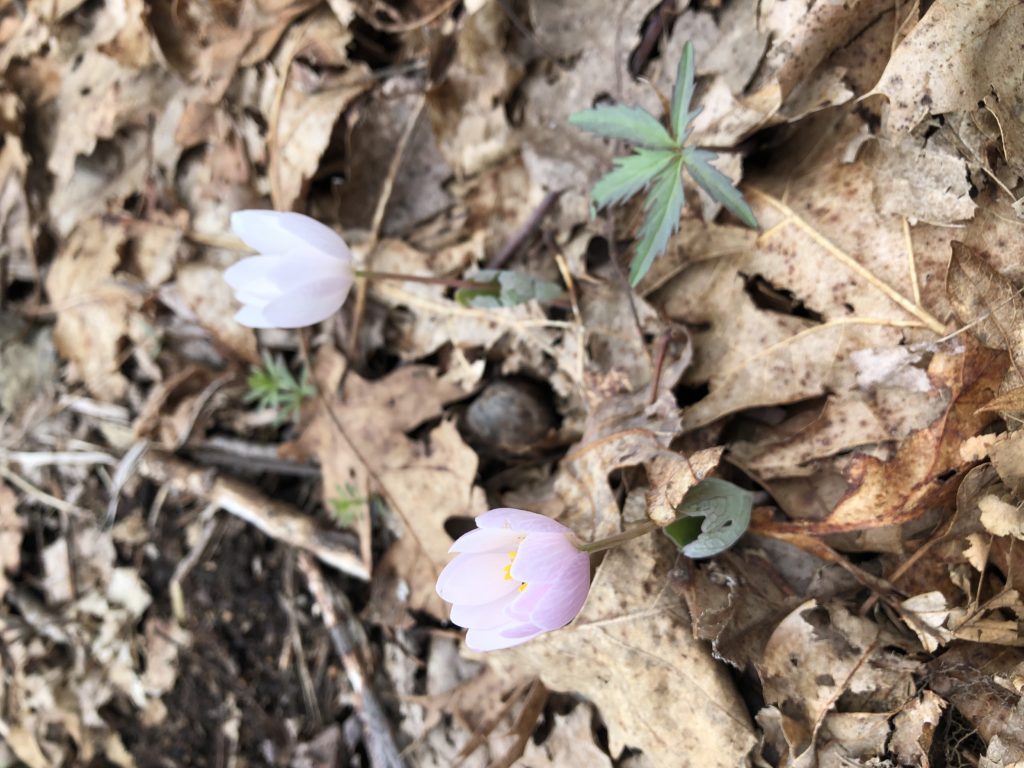
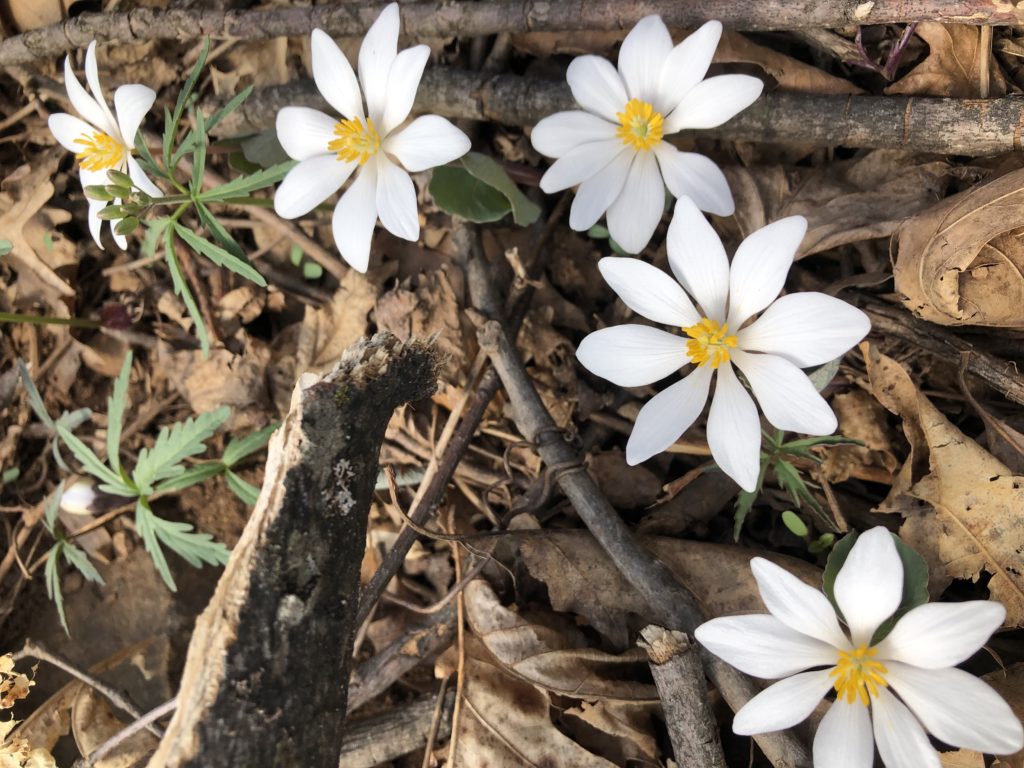
And here are a few signs of spring I came across today.

Near Humpback Rocks to Maupin Field Shelter, 11.5 mi (AT 1349.1)

April 5th, 2019, Virginia

The rain started early, around 3am, and continued throughout the day. It was a light rain but the fog and mist made it seem heavier. The temperatures were cool, remaining in the low 40’s all day; so I was able to wear full rain gear all morning without getting too hot, which was a first. 

I got started early despite the rain and hiked until mid day. I had already logged 11.5 miles by 12:30pm and decided to stop at a shelter for lunch and a break from the rain. Given the weather, I would also prefer to sleep in a shelter tonight, and let everything drip dry. The next shelter beyond this one is just 6.5 miles away rather than the usual 8-12 miles. But as I approached the nearby shelter I decided it might be better to stop here rather than pushing on. No sense overdoing things in the first week. 
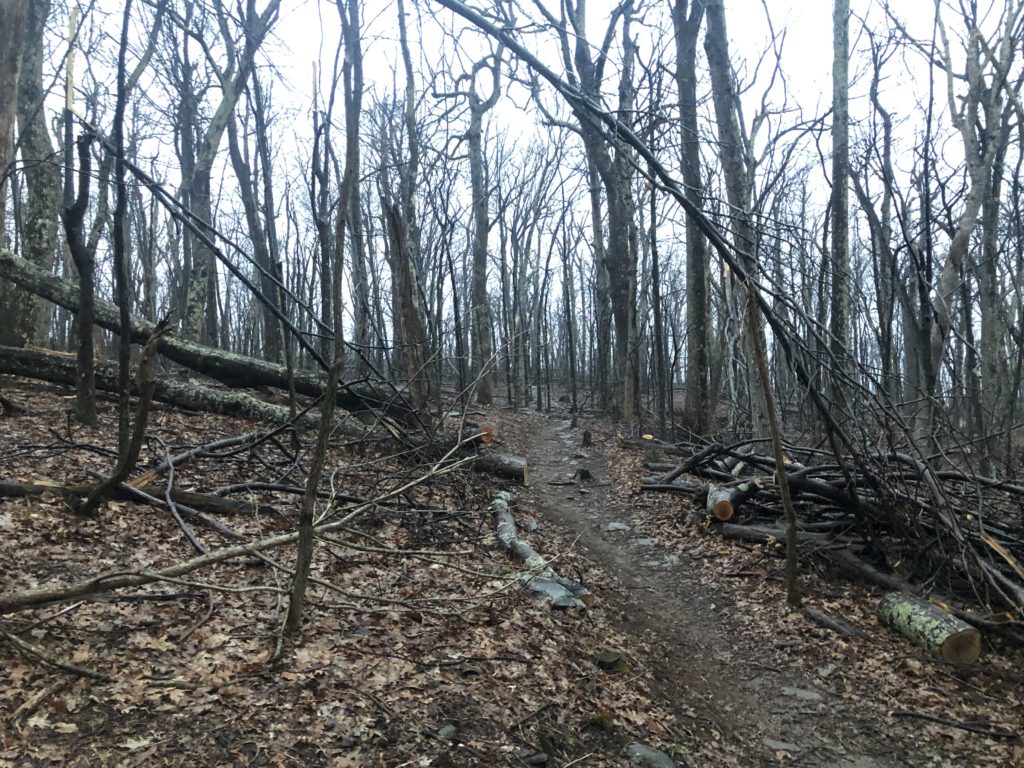
This area of Virginia must have had severe ice storms this past winter. Tree tops are broken everywhere, many trees are down, and the forest floor is littered with dead branches. The trail crews have evidently been hard at work. The trail itself is completely clear of fallen trees. I find myself glad to be passing this area now, not in some drier, hotter time of the year. With all the fuel around, I expect forest fires will be a big problem for hikers after any dry spell. 

After a hot lunch I unpacked and rested in the shelter—completely alone except for the occasional bird or squirrel passing by. Later in the afternoon a family of four backpacked in and set up tents nearby.

Rockfish Gap to near Humpback Rocks, 9.6 mi (AT 1337.6)

April 4th, 2019, Virginia

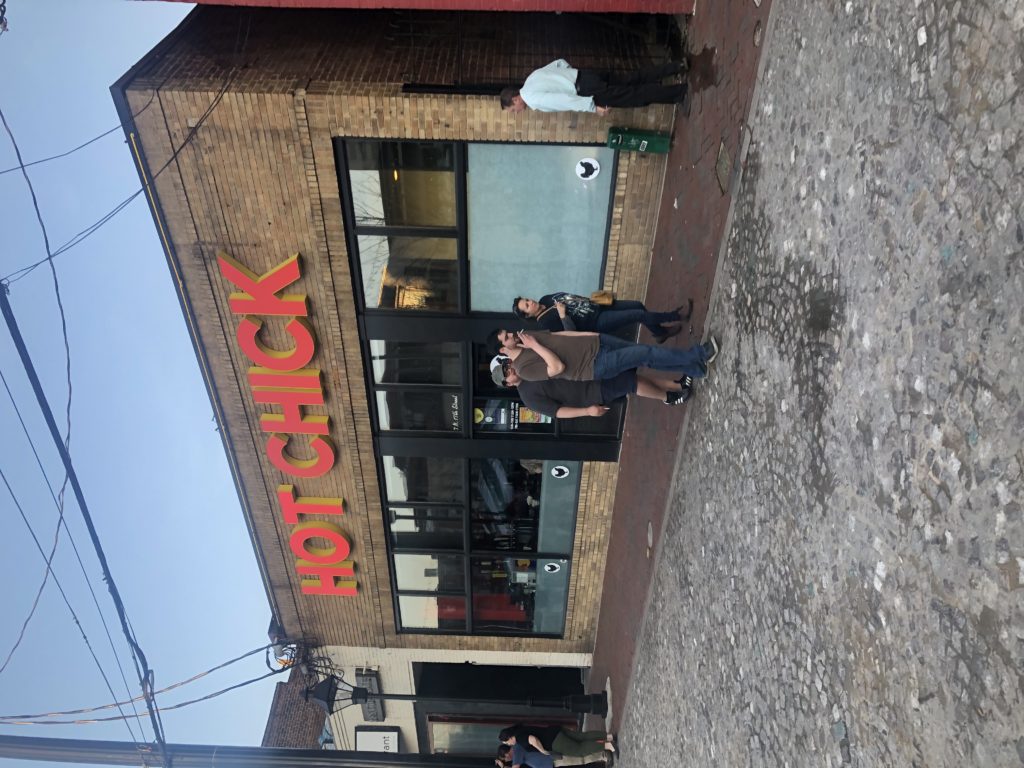
After a bus to Richmond, Virginia my son, Ryan, picked me up for a short overnight together. Incidentally, we ate at a fried chicken place that was truly fantastic. If you’re ever in Richmond…

Here it is. You will thank me later.

Ryan and I worked on our plans to meet up in a few weeks to hike together. I’m excited to have a hiking partner!

The next morning I picked up a one-way car rental for the 2.5 hour drive to Waynesboro. The drive was uneventful and I had time for a couple errands in Waynesboro then pulled into the Enterprise parking lot at noon. It felt a little strange to be back, but not as much as I expected.

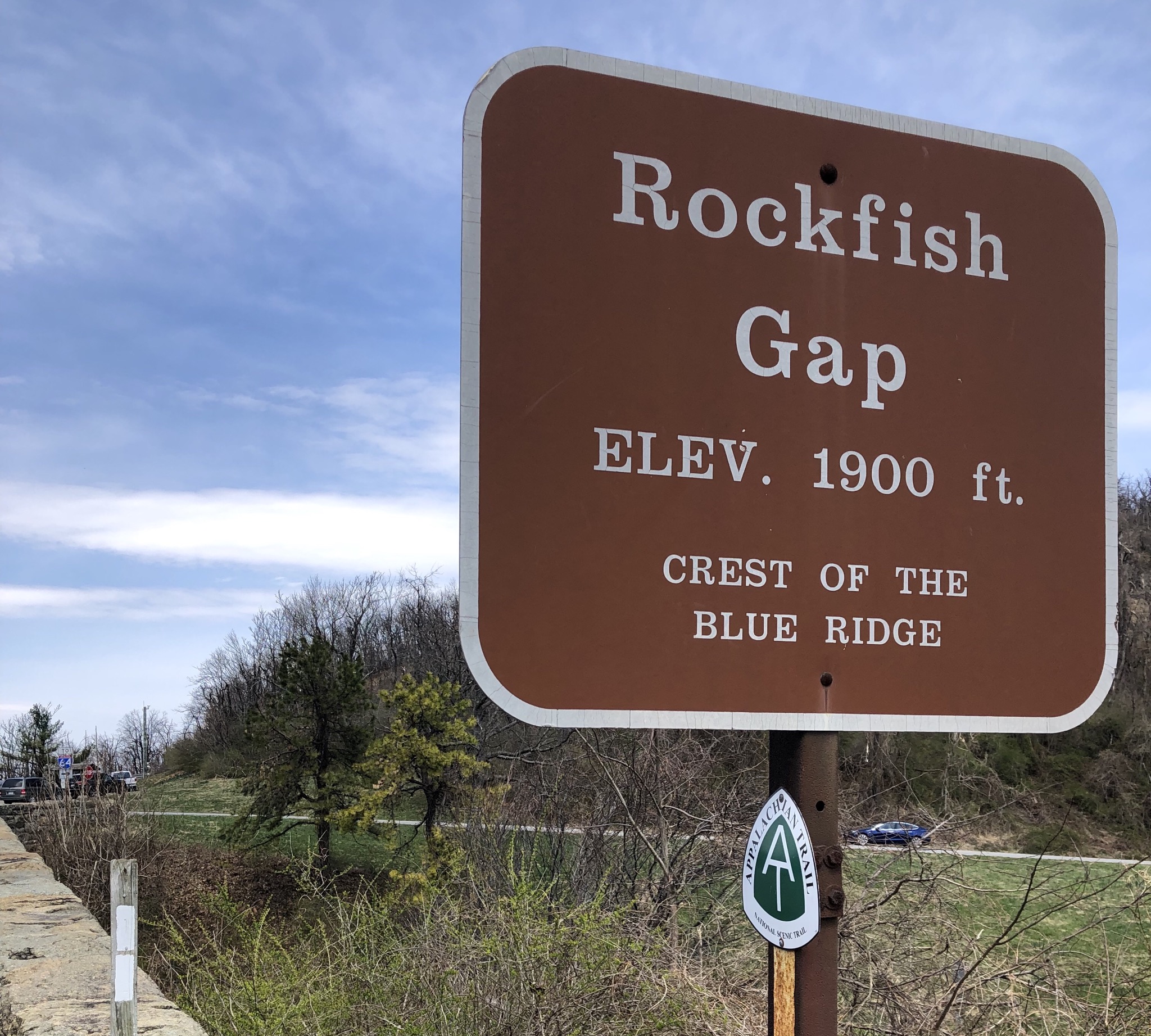
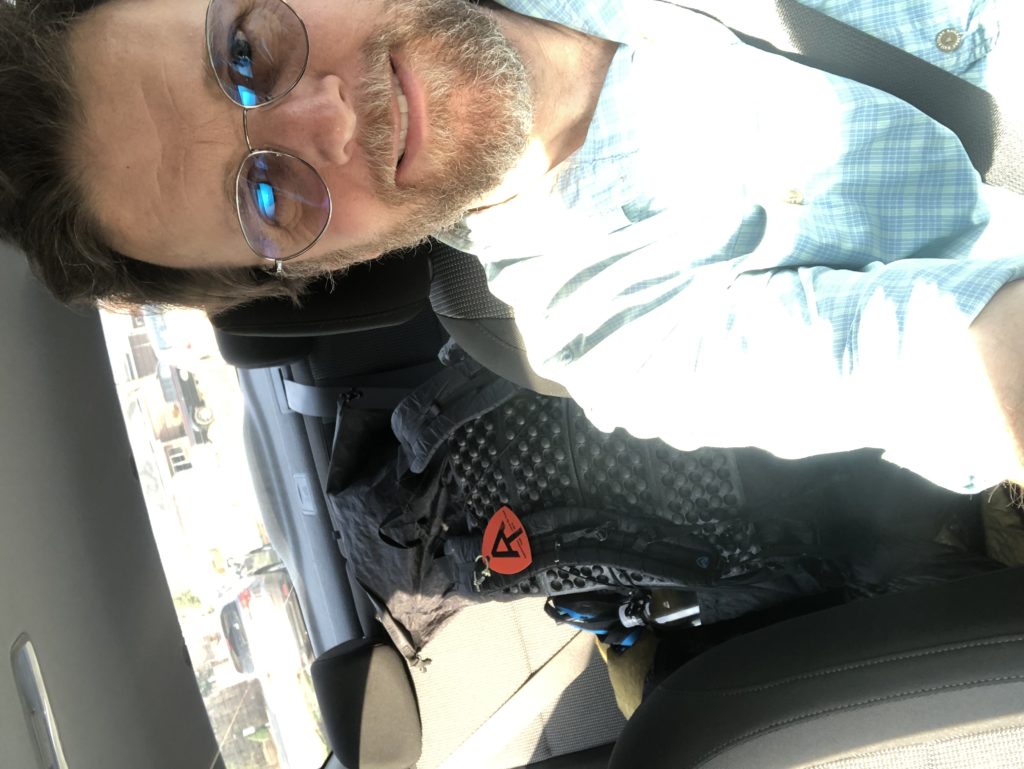
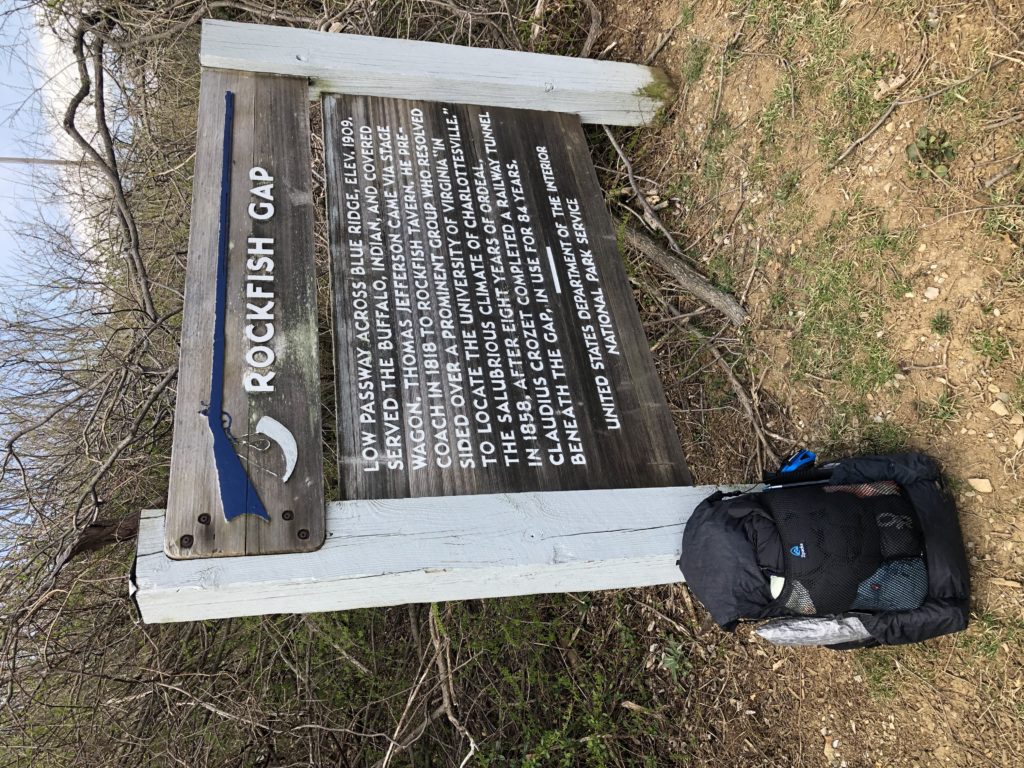
A short while later a cheerful Enterprise employee was giving me a ride back to the trailhead at Rockfish Gap. After unloading I stood for a moment, staring into remaining 863.7 miles of the AT.

Tomorrow will be my first real day back on the trail. And, coincidentally, it will be my 6 month anniversary of departing the trail at this location. I didn’t plan this timing and it doesn’t seem like six months have passed. While the trail has been on my mind, off and on, the whole time, it hadn’t dawned on me how much time had actually passed: healing a stress fracture, overwintering, traveling for business, and continuing life’s responsibilities. My internal clock had recorded weeks, not months.

The Appalachian Trail Conservancy (ATC) defines a thru hike as completing all sections of the trail, in any order, within 12 calendar months. I have until July 10th before my one year thru-hike timer runs out. Barring unforeseen circumstances, I have plenty of time to make it. But I need to be home in early June for family business, so it won’t exactly be a leisurely stroll home to Georgia. There are many miles ahead. And my “trail legs” are AWOL for the moment…but it feels great to be back.

One of my Waynesboro errands was a pre-hike haircut

Gear Changes

April 3rd, 2019


When I started my hike in Maine in July last year I had already given my gear some thought. A lot of thought, probably bordering on obsession. But it was just “temporary insanity” while I waded through the sea of gear possibilities.

What makes gear choices interesting is that they are interconnected. Will your shelter be a tent, hammock, tarp, bivy? What water purification strategy will you use? How many days of food should you carry? Will you choose synthetic insulation or down? What temperature rating? What clothing? Will you use mail drops and/or a bounce box? How much charging capacity will you need for electronics, based on your resupply schedule? How large of a food storage bag will you need based on your personal food preferences and resupply schedule? So it goes, on and on.

I did my research and made my decisions. And, as it happens, I made a few changes along the way.

I started in Maine with a Hyperlite Mountain Gear Southwest 3400 pack and was endlessly satisfied with this choice. I chose the pack after making the rest of my gear choices. The pack you choose not only determines how much you can carry on your back, but adds its OWN weight to your back as well—so you shouldn’t choose a larger or more featured pack than you need or you’re carrying extra weight for no reason.

How much volume and weight will you be carrying, considering all gear, food carry and water? This is hard to know until you have everything in one place. Determining pack size and features is both art and science. But you aren’t the first person to undertake a long hike—gear lists from other successful thru hikers are invaluable here. In the end, I had plenty of room in my pack and, after a month or two of slowly shedding lesser needed items from my pack, I found it actually oversized. The excess capacity came in handy on occasion, but was mostly unnecessary for a warm season hike. If I could go back in time I might choose the same pack, but in the smaller 2400 (40L) size.

But since I already owned this HMG pack, it didn’t make sense to look at the same one in a slightly smaller size. I took the opportunity to consider downsizing even further—now that prior trail experience might help shave more gear out of my carry. I relooked everything on my list: did I use it? Really need it? Is there a lighter or smaller option to get the same function? The cheapest easiest way to reduce pack weight is to not put something in it. Only carry what you need, not what you’d like to have along, just in case. I myself won’t compromise on safety or comfort. But I have become less accommodating with myself on optional items. I don’t “need” them…

Each decision to leave something home, or exchange it for a smaller, lighter version, is a small step in a virtuous cycle. A lighter carry opens possibilities for smaller and lighter backpacks. And smaller lighter pack means a more enjoyable hike, fewer calories burned, less food carried, less water consumed and carried, and lower risk of sports injury.

So I decided to swap my 2lb HMG pack (already pretty light) for a 0.75lb Z-Packs Nero for the remainder of the hike. I would drop 1.25lb from my pack weight in that change alone. In this swap I give up some padding, a real hip belt, hip belt pockets, and around 25 liters of capacity. These are not insignificant trade offs, but I think I may prefer the new setup, given it helps me lower my base pack weight (all packed items except food, fuel, and water) to under 12lbs. This is a drop of about 4 lbs, or 25%, from my previous 15-16lb base weight. As I get some miles on this pack and setup I will have more thoughts on it.

Some of my recent gear changes:

  1. Z-packs Nero Backpack (replacing HMG Southwest 3400) saving 20 ounces
  2. Big Agnes AXL Insulated Mummy Pad (replacing Big Agnes SLX Wide) saving 10 ounces and .75L volume
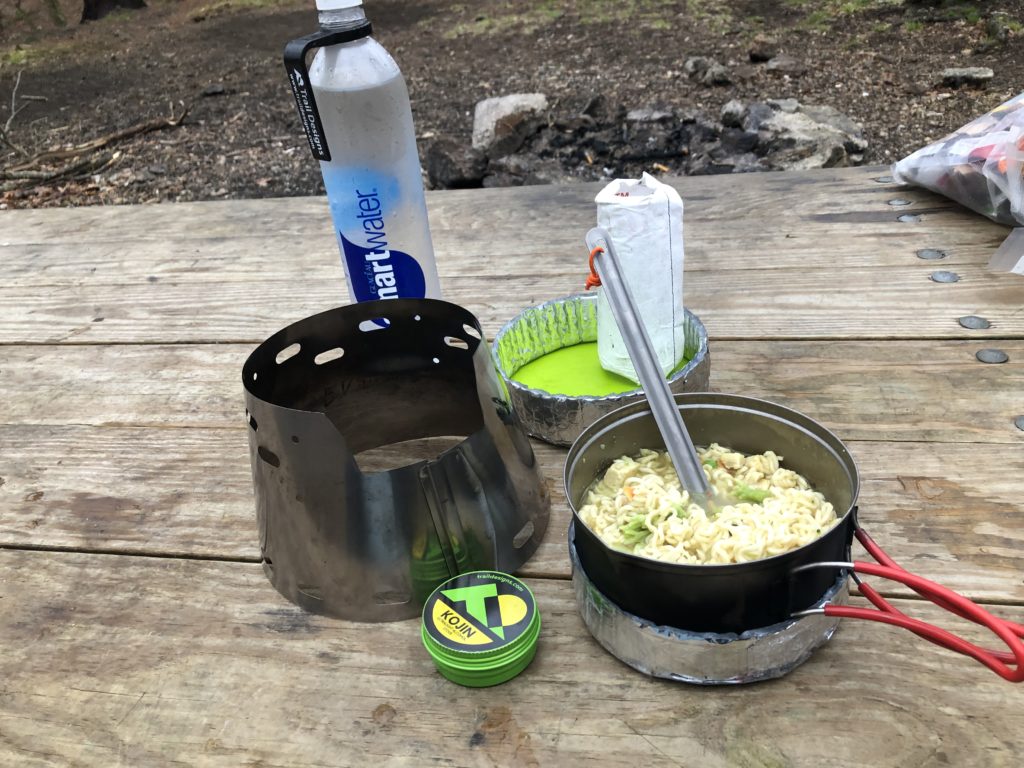
  3. Evernew Ultralight .9L Cookset with Trail Designs Sidewinder Stove (replacing Toaks 1.3L Cookset with TD Sidewinder Stove) saving 2 ounces and 0.5L volume
  4. Dutchware Gear small gear hammock and suspension (remove from pack) saving 6 ounces and 1L
  5. Reduce bottle sizes for sunscreen, hand sanitizer, insect repellent, soap, etc. saving 2 ounces and 0.5L
  6. Reduce quantity and size of items in first aid and toiletries saving 2 ounces and .25L

Things I might change during the remainder of the hike:

  1. Send hammock home. Use tarp + ground sheet (potential savings of 26 ounces and 3L volume)
  2. Send down jacket and long pants home once the weather warms up (potential savings of 24 ounces and 3L volume)

So that’s where I am right now. After the hike I will try to post my full pre- and post-hike gear lists for anyone interested.

A Long Recovery

October 23rd, 2018

I visited the orthopedist today. He, like the general practitioner, suspects I have a stress fracture. The treatment is simple but time consuming: avoid the activity that caused the issue, and other high-impact activities, for at least 6 weeks. Then take another 6+ weeks for a gradual return to the activity with increasing intensity. I have already completed two weeks of rest at this point, so I have perhaps 4+ weeks to go.

This approach will take a few months before I should resume my hike in earnest. That takes me to Jan-Feb, the dead of winter.

I also need to consider how to approach the remaining 850+ miles of my hike: return to my stopping point and continue south? Or head north from Springer Mountain, Georgia, with the rest of the crowd next spring?

I’m not sure yet what to do. But, on a positive note, I do have plenty of time to think about it…

Home Not Home

October 15th, 2018

I must say it was strange leaving the trail.

I hadn’t driven a car in three months. It felt a bit like a dream at first. Thankfully, it was “like riding a bike.”

My own bed felt unusually comfortable. And somehow I missed the night air and sounds of the forest.

The people I left at home had to readjust to my presence. And vice versa.

And I will have to become reconditioned to the trail whenever I’m able to return. It will be starting over, in a way.

At the moment it feels like I’ve left something hanging, undone.

It is good to be home. And yet I feel restless to get back out, with my fellow travelers, to finish what we started.


Stress Fracture: Hit Pause

October 12th, 2018

After a few fruitless days of self treatment, I headed to Georgia for a longer period of rest at home and to see the doctor.

“Yes,” the doc told me, “you very likely have a stress fracture and will need quite some time to recover.” He suggested I may want to consult an orthopedist but that this injury would mainly require R&R to heal. I don’t yet know how much time that might be.

So, as I write this, I must pause my adventure to heal, then resume it at the next opportunity. If weather and body cooperate, I hope to finish later this year. Or, if not, maybe next spring. Either way, my current goal is to finish the trail within the 12 month time period to complete an official thru hike.

Near Little Calf Mountain to Stanimal’s 328 Hostel, 6 mi (AT 1328)

October 6th–7th, 2018, Virginia

First of all, being 10/11 on the day of this post: happy birthday to J! I haven’t been away for many of your birthdays and hope to make this one up to you!

Now back to the trail on October 6th:

It was just 6 miles from my camp site to the road toward Waynesboro.  I reached the road around 10:30am and I arrived to Stanimal’s 328 Hostel a little while later.

Just as I left the park and started walking on the road I saw two bears up hill nearby. They saw me and ran further uphill. Good bears!

And shortly before I left the trail I met an older hiker who was just starting a hike through the Shenandoah National Park to Front Royal, Virginia and back, nearly 200 miles. He said he had three weeks for the trip.

He had attempted an AT thru hike in 2014 and told me an interesting story about why he didn’t finish: in 2014 he reached somewhere north of here, around Harpers Ferry, I believe. He was heading NOBO and had become badly dehydrated, and it was bad enough that he had to go to the hospital. While there the doctors discovered a prostate issue that required surgery. He developed an aortic embolism from that surgery which required a heart procedure to correct. But during the heart surgery they found and corrected a different serious heart condition that he did not know about. The condition, the doctors said, may have killed him later during his hike. So in the end, he said, the dehydration incident probably saved his life. 

So, I took the moral of the story to be: you never know whether a particular event is “good” or “bad.” Something good can come from something bad, and vice versa…and that was my moment of Zen for the day.

So as I reached the hostel to rest, elevate, and ice my lower leg, I resisted the urge to label the injury “bad.”  Sports injuries are often a part of a long trail experience—and just another obstacle to work through. I am hopeful I will return to the trail healthy in a day or two. But, if it takes longer, who can say what good may come of it?